



What is sales intelligence?
Sales intelligence involves using data, insights, and analytics to empower sales teams and drive better decision-making.
It includes gathering and analysing information about prospects, customers, and market trends to identify opportunities, prioritise leads, and tailor sales strategies for maximum impact. Sales intelligence helps salespeople understand their target audience, anticipate their needs, and engage with them more effectively, ultimately leading to higher conversion rates and increased revenue.
It's like having a secret weapon that gives sales teams the edge in understanding their customers and markets, ultimately leading to more successful sales outcomes.
What are the benefits of using sales intelligence tools?
Sales intelligence helps revenue teams move from assumptions about a deal to evidence based on real buyer behaviour.
Used well, that intelligence can help teams understand where momentum is building, where attention is needed and which actions could help move a deal forward.
Key benefits include:
- Understand real buyer behaviour: See how buyers are interacting with your content and sales process between meetings. Views, repeat visits, downloads, comments, shares and other engagement Signals can help sellers understand what buyers are interested in and how actively they are participating in the deal.
- Prioritise the right deals: Buyer activity can help sellers understand which opportunities have momentum and which may need attention. Instead of relying only on CRM stage or rep judgement, teams can use live engagement data to see where buyers are active, where engagement has dropped and where follow-up could be most useful.
- Increase conversion rates and revenue through data and analytics: By leveraging the data and analytics provided by sales intelligence tools, sales teams can make more informed decisions, leading to improved conversion rates and ultimately, increased revenue.
- Better understand target audience and anticipate their needs: Sales intelligence tools offer valuable insights into the needs and pain points of the target audience, enabling sales teams to anticipate and address these needs effectively, resulting in more successful sales interactions.
- Engage with customers more effectively for stronger relationships and successful sales outcomes: By using the information provided by sales intelligence tools, sales teams can engage with customers in a more personalised and meaningful way, fostering stronger relationships that lead to successful sales outcomes and long-term customer loyalty.
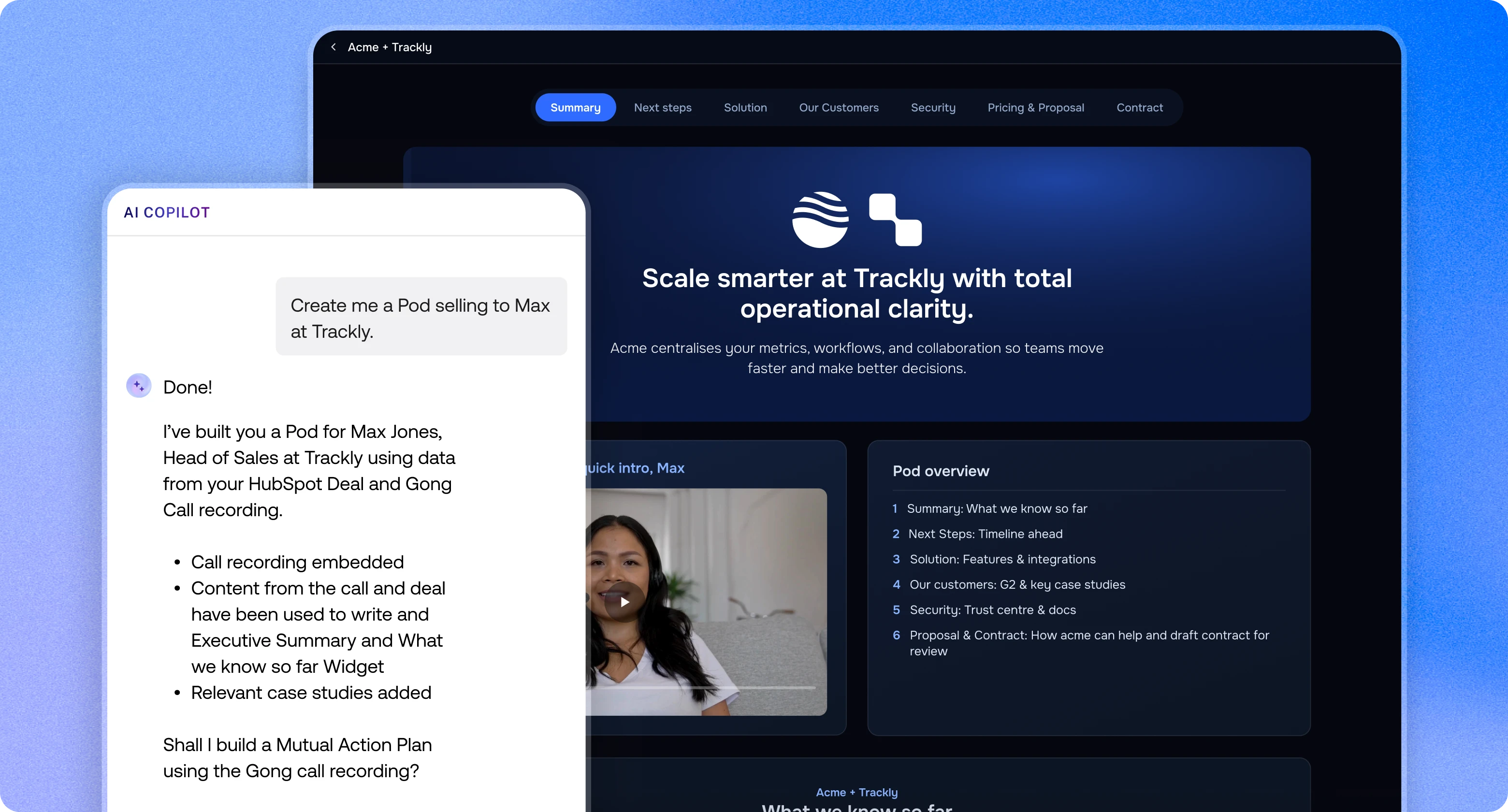
- Understand the wider buying committee: B2B deals rarely involve one person. Sales intelligence can help sellers see when new stakeholders enter a deal, understand how individual contacts are engaging and build a clearer view of the wider buying group. In trumpet, stakeholder profiles are automatically enriched, while AI Engagement Scores and Org Charts help teams see who is active, who has gone quiet and where important relationships may still be missing.
-
