








Key takeaways
Personalisation is the biggest differentiator for SDR performance. Strong prospect research, a clear personal brand, adaptive conversations, and well-timed multi-channel outreach consistently drive higher engagement. The most effective SDRs combine these skills with tools that centralise personalised content and remove friction for buyers.
Why is personalisation critical for SDR success?
Every SDR faces the same challenge: breaking through the noise to capture a prospect’s attention. Generic pitches and templated messages simply do not cut it anymore.
The difference between a successful sales development strategy and a failing one often comes down to personalisation. Top-performing Sales Development Representatives (SDRs) consistently demonstrate that customised approaches deliver better results.
This guide reveals five proven strategies to help SDRs transform their outreach from standard to standout.
How should SDRs research prospects effectively?
Successful SDRs are using intelligence-based prospecting to gain a competitive edge. Research shows sellers who utilise advanced signals and AI tools create twice the opportunities compared to their counterparts and improve productivity by 60 percent.
How do SDRs use LinkedIn Sales Navigator effectively?
LinkedIn sales navigator helps SDRs identify high-value targets using advanced filters.
High-performing SDRs focus on:
- Following company profiles for brand exposure
- Tracking job changes and role transitions
- Using shared experiences for warm introductions
- Using TeamLink to reveal optimal paths into accounts
Why do company news and trigger events matter?
Funding rounds, product launches, and organisational changes are strong signals for strategic outreach. Companies experiencing funding changes often represent high-intent opportunities.
SDRs should monitor press releases, regulatory filings, and earnings calls to act at the right moment.
How do buyer personas improve SDR personalisation?
Creating detailed prospect personas forms the foundation of effective sales development. These insights help SDRs tailor messaging and drive more meaningful conversations.
Why should SDRs build a personal brand?
Personal branding has become a powerful differentiator for SDRs. A strong personal brand significantly improves prospect engagement and trust.
How can SDRs build authority in their niche?
SDRs who position themselves as trusted authorities attract higher-quality connections and more relevant prospects by consistently sharing value.
How do dynamic conversation frameworks improve SDR performance?
Successful sales conversations depend on adaptability. Studies show top-performing SDRs maintain a talk-to-listen ratio of 43:57 and sell an average of 120 percent above quota.
Aligning your story with prospect needs
The most effective personal brand stories directly address prospect challenges and aspirations. Research indicates that successful SDRs craft their narratives to showcase deep industry understanding and innovative approaches to customer service. This alignment creates what experts call "brand affinity," which has been shown to accelerate trust-building and shorten sales cycles.
To maintain authenticity, SDRs should regularly revisit and refine their personal brand story based on market changes and audience feedback. This sort of approach ensures the brand remains relevant and resonant with target prospects. It is delivering value through their personal brand, SDRs can set themselves as go-to experts in their field, leading to increased referrals and stronger prospect relationships.
Dynamic conversation frameworks
Successful sales conversations hinge on the ability to adapt and respond dynamically to prospect interactions. Studies show that top-performing Sales Development Representatives (SDRs) maintain a specific talk-to-listen ratio of 43:57, selling an average of 120% above their quota.
Reading and adapting to prospect responses
The most effective SDRs excel at reading subtle cues and adjusting their approach in real-time. Rather than sticking to rigid scripts, they focus on decoding prospects' responses and incorporating instant insights to address specific concerns. This adaptive selling approach significantly improves a seller's performance and ability to connect with buyers.
Using mirroring techniques effectively
Mirroring has emerged as a powerful tool for building rapport and trust. Successful SDRs implement mirroring across three key dimensions:
- Verbal mirroring: Matching communication style and vocabulary
- Tonal mirroring: Adapting energy levels and speaking pace
- Behavioural mirroring: Reflecting appropriate body language and gestures
When executed subtly, mirroring creates an emotional context that allows prospects to relax and open up naturally. However, SDRs must avoid obvious mimicry, as it can appear insincere and damage rapport.
Active listening
Active listening is proven to be effective in sales conversations, top performers demonstrate their engagement by focusing entirely on the prospect's words, tone, and non-verbal cues. This approach helps SDRs identify and understand problems before presenting solutions, creating a more consultative conversation where prospects feel heard and valued.
The key to active listening lies in being fully present and eliminating distractions during conversations. By demonstrating genuine curiosity and avoiding premature judgments, SDRs can create an environment where prospects feel comfortable sharing their challenges and goals. This deeper understanding enables sales professionals to position their solutions more effectively and build lasting customer relationships that drive long-term success.
Multi-Channel personalisation strategies
Multi-channel personalisation has revolutionised the way Sales Development Representatives (SDRs) connect with prospects. Companies implementing multi-channel strategies are twice as likely to exceed their revenue goals compared to single-channel approaches.
Combining LinkedIn, email, and call approaches
Modern SDRs use a strategic combination of channels to maximise engagement. Adding phone calls to an email-based cadence can increase response rates by up to 30%. Successful multi-channel approaches include:
- LinkedIn for relationship building and content engagement
- Email for detailed value propositions and follow-ups
- Phone calls for direct conversations and immediate feedback
- Video messages for personal touch and differentiation
Timing your multi-channel outreach
Timing plays a crucial role in multi-channel success. Research shows that personalising send times significantly increases message engagement rates. The optimal approach involves spacing touch points strategically:
- Initial contact via LinkedIn connection
- Follow-up email within 48-72 hours
- Phone call within the next business day
- Content sharing on LinkedIn
- Final round-up email if no response
How does Trumpet support multi-channel personalisation?
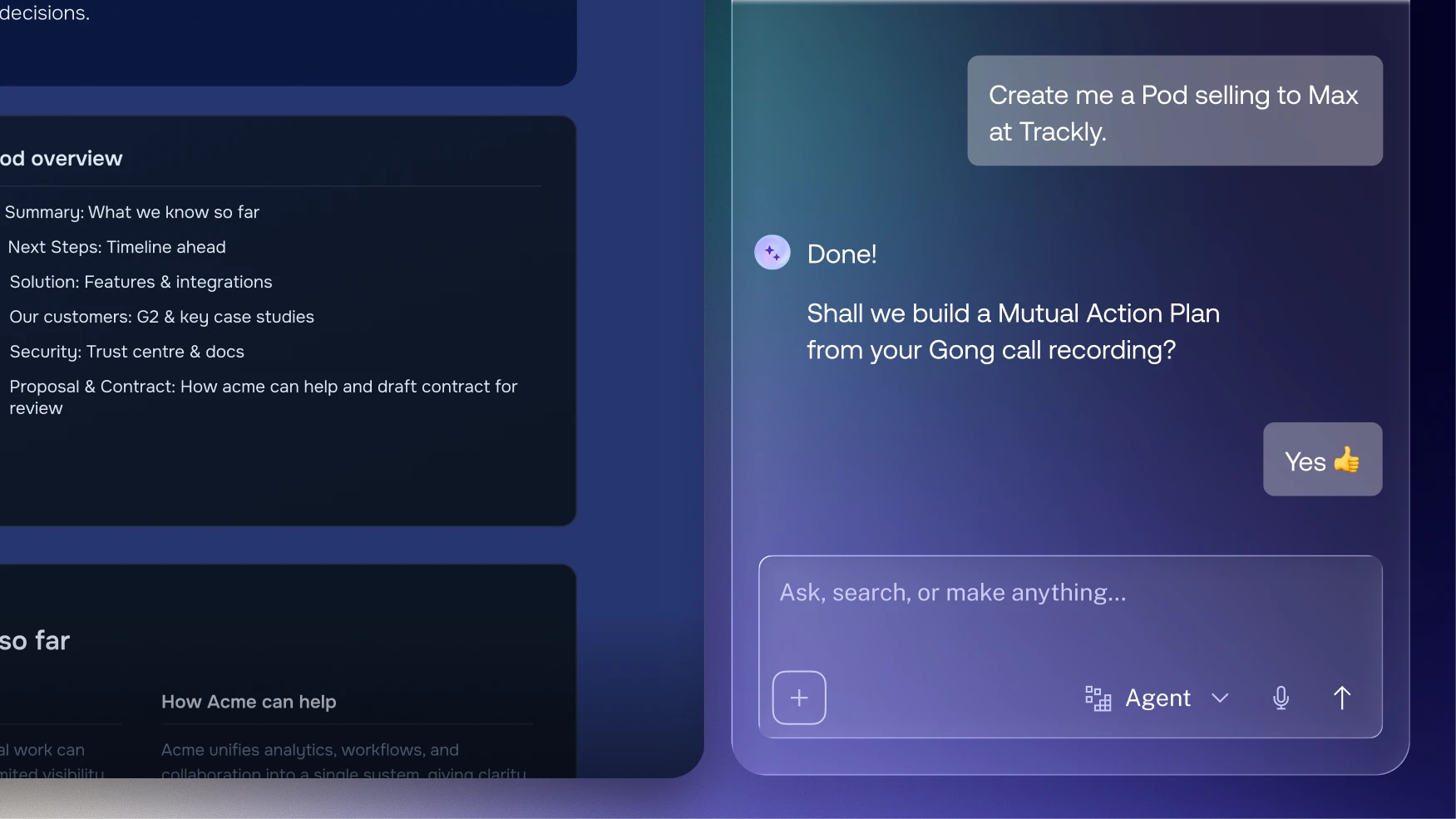
Multi-channel outreach works best when buyers have one central place to engage. Sales Rooms from Trumpet act as a single destination for personalised videos, voice notes, DocuSign, case studies, scheduling links, and proposals.
This approach improves engagement while maintaining brand consistency across channels.
Final thoughts
Personalisation stands as the key differentiator between average and exceptional SDR performance. Smart research, compelling brand stories, adaptable conversation frameworks, and strategic multi-channel approaches work together to create meaningful prospect connections.
Success comes from putting these elements into practice consistently. SDRs who master prospect research while building their personal brand story see better engagement rates. Those who combine dynamic conversations with well-timed multi-channel outreach turn more prospects into valuable opportunities.
Remember that personalisation isn't just about using someone's name - it's about creating genuine connections through deep understanding and targeted communication. Start small, test different approaches, and refine your strategy based on what works best for your specific prospects.
FAQs
Why is personalisation so important for SDRs in sales?
Personalisation helps SDRs stand out in crowded inboxes and build trust faster. Outreach that reflects a prospect’s role, timing, and challenges consistently drives higher response and conversion rates.
How can SDRs personalise outreach without spending more time?
SDRs can personalise efficiently by using prospect signals, buyer personas, and tools like Digital Sales Rooms that centralise personalised content and reduce manual follow-ups.
What is multi-channel personalisation and why does it work?
Multi-channel personalisation means engaging prospects across LinkedIn, email, phone, and video with consistent messaging. It works because buyers respond differently across channels and at different times.
What mistakes should SDRs avoid when personalising their pitch?
The most common mistake is surface-level personalisation. Referencing irrelevant details or forcing personalisation without context can reduce credibility instead of building trust.










![How to Get Started with Buyer Enablement [With Examples]](https://cdn.prod.website-files.com/65cf4fecbed2754c2236665d/65cf4fecbed2754c22366bdb_65a5af83e742f76e34ce06f3_Customer%2520Onboarding%2520_%2520Everything%2520you%2520need%2520(2).png)
.png)


.png)


.png)


.png)

.png)

.png)
.png)





