








• AI shifts from a feature to the operating layer of enablement
• Digital Sales Rooms become the default buying environment
• Content libraries behave like intelligent ecosystems, not folders
• Signal intelligence replaces intuition in coaching and forecasting
• Personalisation becomes automated, contextual and scalable
• Sales, CS and Marketing operate as one connected GTM motion
• Enablement leaders evolve from content administrators to orchestrators
Reps are demanding workflows that reduce manual admin. Leaders are demanding visibility without guesswork. Buyers are demanding speed, autonomy and clarity.
→ According to McKinsey’s 2024 B2B Pulse, 70 percent of buyers now prefer digital-first interactions.
→ Gartner forecasts that by 2026, 80 percent of B2B sales interactions will occur in digital channels.
→ LinkedIn’s State of Sales Report shows top-performing reps are 2.3 times more likely to use AI tools daily.
Enablement can no longer be about arming sellers with static content.
It must orchestrate adaptive workflows, content, signals and personalised buyer experiences.
Here is what we believe modern sales enablement will look like in 2026.
How will AI reshape sales enablement workflows by 2026?
AI will build the first draft of everything.
Gartner predicts that "75% of B2B sales organisations will augment traditional playbooks with AI-guided selling by 2025.” By 2026, reps will expect AI to automatically generate:
• Personalised Digital Sales Rooms
• Proposals and business cases
• Discovery summaries
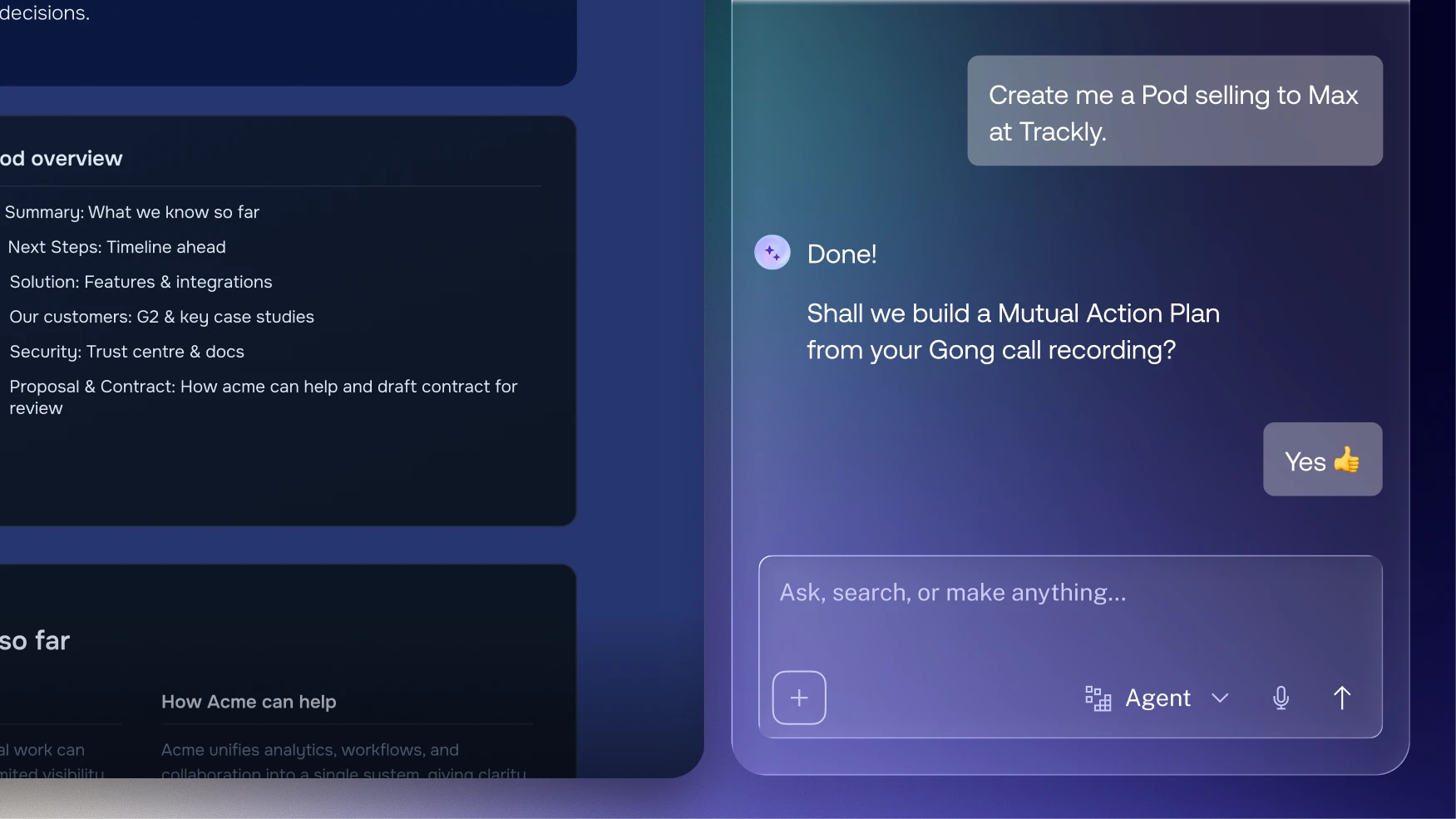
• Mutual Action Plans
• Next-step recommendations
• Persona-specific messaging
• Video scripts and outlines
Platforms like trumpet AI already.
• Auto-build Digital Sales Rooms (Pods as we call them)
• Suggest content
• Surface hidden stakeholders
• Interpret intent signals
• Score deal health
→ The role of the rep shifts. They stop assembling materials and start orchestrating conversations.
What will content look Like when CMS becomes an Enablement Engine?
The challenge for many B2B organisations isn’t content quality it’s findability and usage.
Historical analyst research found that only 35 percent of content created by a B2B organisation is actively used, meaning roughly 65 percent goes unused, often because it’s hard to discover or irrelevant for current deals.
In response, the content ecosystem of 2026 will evolve:
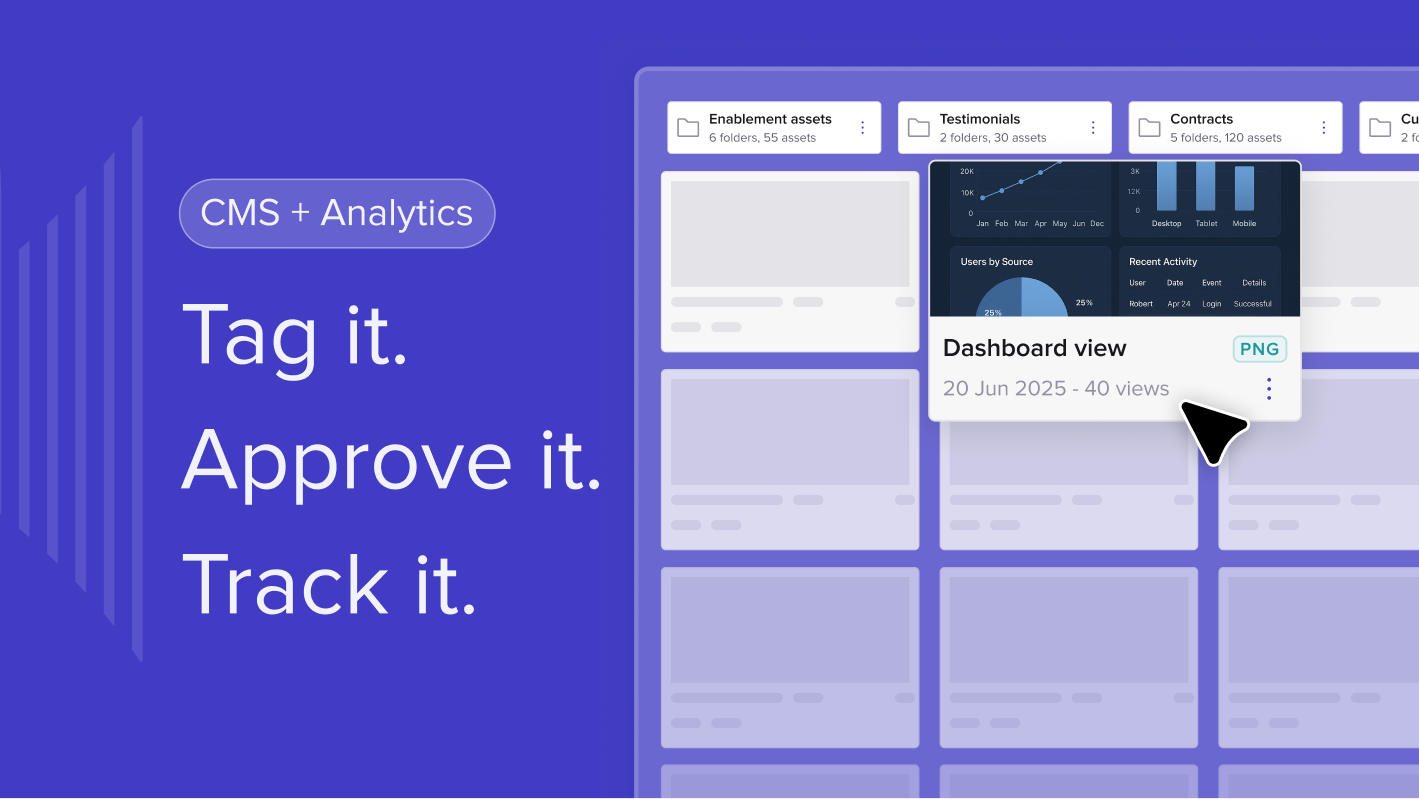
- Assets are auto-tagged, indexed and semantically searchable
- Performance data is attached to each asset (views, engagement, conversion impact)
- Content is ranked by relevance, format, and stage-suitability
- Sales reps receive suggested content based on deal context, buyer persona, and engagement signals
The CMS becomes less of a library and more of a living enablement engine that feeds sellers the right assets at the right time.
How does signal intelligence work in sales?
Still to this day, many revenue teams rely on gut instinct, CRM notes or outdated dashboards.
With Digital Sales Rooms, embedded analytics, and AI-driven engagement tracking, enablement signals gain visibility like never before:
- Who viewed or re-visited content
- Watch times for demos and videos
- Stakeholder entry and interaction logs
- Heatmaps or engagement spikes
- Download patterns and repeated visits
Forecasting, coaching and deal prioritisation shift from opinion-based to behaviour-driven.
What does scalable personalisation look like in 2026?
Personalisation will no longer be defined by swapped logos or custom slides. Instead it will be:
- Role-based content delivery inside sales rooms
- Persona-specific messaging blocks
- Dynamic video intros tailored to buyer segments
- Automatically generated Mutual Action Plans adapted to engagement data
- Content and proposals shaped by actual deal data
This level of personalisation becomes scalable only when enablement is underpinned by AI + content + signal orchestration.
How will Sales, CS and Marketing operate in one connected flow?
The buyer journey, from prospecting through post-sale success, lives in a unified workspace.
Content, analytics, buyer engagement data, handoffs, they all flow through the same infrastructure.
Marketing builds the content.
Sales deploys it.
Customer Success uses it for onboarding.
Leadership measures impact.
The Digital Sales Room becomes the central “hub” for the whole buyer lifecycle.
How will coaching evolve when AI becomes always-on?
Reactive coaching activity after the fact, will feel outdated. 2026 brings real-time, signal-driven coaching:
- AI summarises calls and emails
- Objection patterns and engagement dips trigger alerts
- Deal-risk scores surface so managers act early
- Suggested next steps, content drops or stakeholder outreach based on buyer activity
Coaching becomes continuous, not periodic.
Final thoughts
Sales enablement is entering a new era. Not because of more tools. But because of smarter orchestration.
AI will not replace enablement leaders.
But it will replace outdated workflows that slow teams down.
The companies that win in 2026 will:
- Embrace AI-powered enablement as standard
- Treat content as a dynamic, measurable ecosystem
- Use real buyer signals to drive every decision
- Personalise at scale without burning manual hours
- Unite Sales, CS and Marketing in a single GTM flow
Enablement will shift from support to strategy.
And if you build your systems now, you’ll be ahead of the wave.
FAQ
What is modern sales enablement in 2026?
A connected, AI-powered ecosystem that orchestrates content, workflows and buyer interactions across Sales, CS and Marketing.
Will AI replace sales enablement roles?
No. AI removes repetitive tasks so enablement teams can operate strategically instead of reactively.
Do Digital Sales Rooms matter in 2026?
Yes. They become the buyer’s default destination for content, collaboration and evaluation.
How will content evolve?
It becomes searchable through semantic AI, ranked by performance and delivered automatically based on deal context.
What skills will reps need?
Discovery, storytelling, empathy, negotiation and the ability to work effectively alongside AI tools.






![How to Get Started with Buyer Enablement [With Examples]](https://cdn.prod.website-files.com/65cf4fecbed2754c2236665d/65cf4fecbed2754c22366bdb_65a5af83e742f76e34ce06f3_Customer%2520Onboarding%2520_%2520Everything%2520you%2520need%2520(2).png)
.png)


.png)


.png)


.png)

.png)

.png)
.png)





