









- Buyer enablement equips the buying group; sales enablement equips the selling team
- Enterprise buying groups now include 12 to 20 stakeholders, making consensus the main challenge
- Buyer enablement platforms centre on Digital Sales Rooms, MAPs, and stakeholder engagement
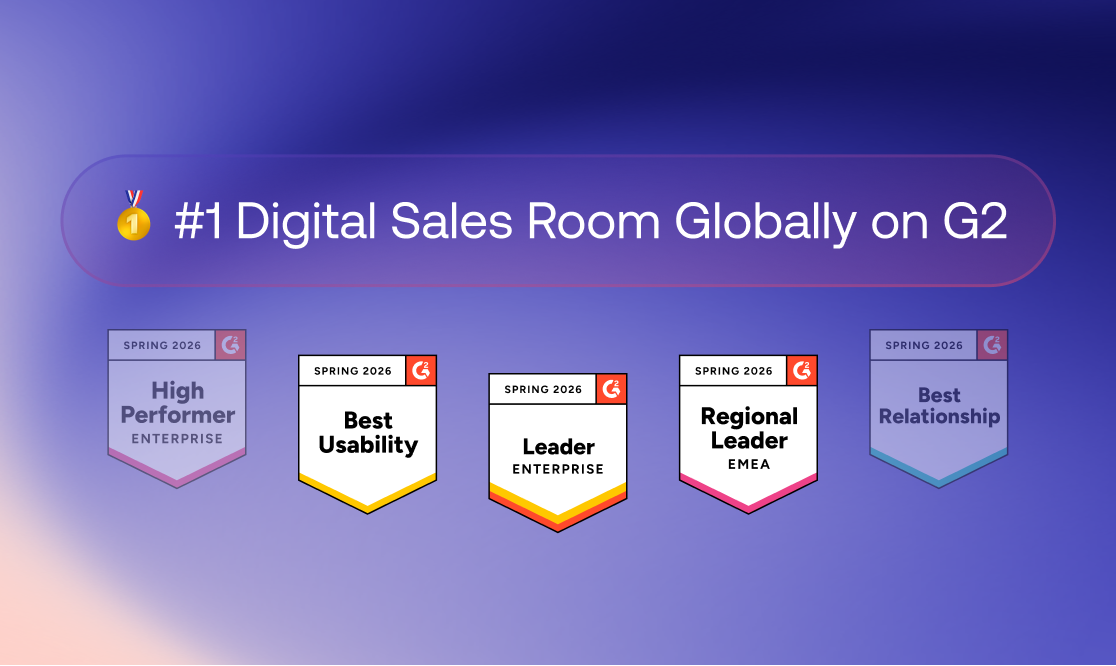
- trumpet is ranked the #1 Digital Sales Room globally in G2’s Winter 2026 Reports for the third consecutive quarter
Sales enablement equips sellers. Buyer enablement equips buyers. The category exists because enterprise buying groups have grown to 12 to 20 stakeholders, sales cycles have lengthened, and the limiting factor in most enterprise deals is no longer "is the seller good enough". It's "can the buying group reach internal consensus."
Buyer enablement is the structured response. This guide is the 2026 version: what it actually means, what's in a platform, how it differs from sales enablement, and which platforms enterprise revenue leaders are evaluating.
Enterprise buyer enablement is the practice of helping complex B2B buying groups reach internal consensus by giving every stakeholder access to the content, plan, and context they need to make a decision.
In 2026, this is typically delivered through a Digital Sales Room with stakeholder mapping, Mutual Action Plans, and engagement tracking.
What is enterprise buyer enablement?
Enterprise buyer enablement is the practice of equipping every stakeholder in a complex B2B buying group with the content, structure, and tools they need to reach internal consensus and make a confident purchase decision.
What buyer enablement actually means
Buyer enablement is the discipline of helping the buyer buy. Forrester and Gartner have both written extensively about the consensus problem. Gartner's research on B2B buying groups puts the average size at 6 to 10 stakeholders. In enterprise deals, the number often exceeds 12 as procurement, legal, security and finance teams get involved.
Without enablement, the buying group falls back on email threads, shared drives, and "I'll loop in legal", and the deal slips. Buyer enablement treats the buying journey as a workflow that needs the same kind of scaffolding sellers use internally. Content, milestones, stakeholder mapping, engagement tracking, all exposed on the buyer's side of the table.
What's in a buyer enablement platform
A buyer enablement platform for enterprise revenue teams typically includes:
- A shared workspace (Digital Sales Room) where the seller and the full buying group can engage with content, ask questions, and track progress
- Mutual Action Plans with role-aware ownership across both organisations
- Stakeholder-level engagement analytics so the seller knows who from the buying group is engaged and who isn't
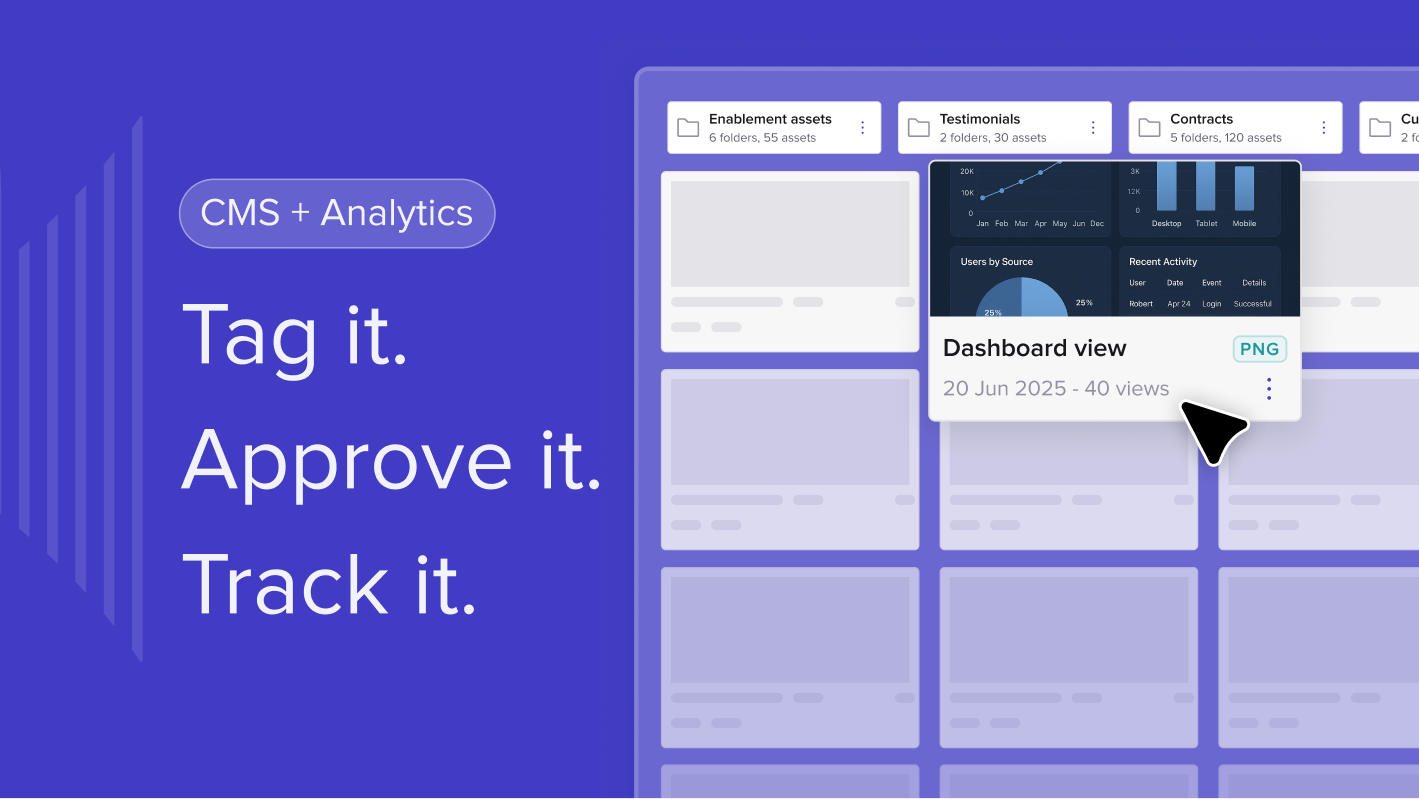
- Content management with version control, team-level permissions, and brand governance
- Native eSign so contracts don't break out of the workspace
- CRM integration so engagement data flows back to Salesforce or HubSpot
- Customer success and onboarding workflows in the same workspace, so the buyer experience continues post-sale
- Enterprise security: SOC 2 Type II, ISO 27001, GDPR, SSO, SCIM, role-based access
Some platforms add adjacent capabilities: training, conversation intelligence, CPQ, content recommendations. Useful in some buying motions, but not core to buyer enablement specifically.
Buyer enablement vs sales enablement vs sales productivity
These three categories overlap in marketing materials but solve different problems. Knowing the difference avoids buying the wrong thing.
A revenue team often needs more than one of these. The mistake is buying a sales enablement platform and assuming buyer enablement is included. It's usually not, or it's a shallow add-on.
What to roll out first
A practical 90-day rollout for an enterprise revenue team adopting buyer enablement.
Days 0 to 30: Foundation
Pick the platform. Build the first three room templates: a discovery room, a proposal room, and a procurement / security room. Migrate the top five active enterprise deals into rooms.
Days 30 to 60: Standardisation
All new enterprise opportunities create a room at qualification. MAPs are mandatory at proposal stage. Stakeholder-level engagement becomes a core forecast input.
Days 60 to 90: Hand-off
Customer success joins the room at signature. Onboarding milestones replace pre-sale milestones in the same workspace.
Day 90+: Compounding
Engagement data feeds CRM and forecasting. RevOps analyses what drives wins.
Common mistakes when rolling out buyer enablement
- Treating it as a content tool instead of the centre of the deal
- MAPs without clear ownership
- Skipping the CS hand-off
- No stakeholder mapping discipline
- Choosing tools that optimise for sellers, not buyers
Final thoughts
Buyer enablement is emerging because enterprise buying groups have outgrown the tools built for them. The revenue teams that get this right compress sales cycles, improve win rates, and shorten time-to-value. Trumpet is ranked the #1 Digital Sales Room globally in G2’s Winter 2026 Reports for the third consecutive quarter, with #1 rankings across Enterprise, Mid-Market and SMB.
FAQs
What is enterprise buyer enablement?
Enterprise buyer enablement equips stakeholders with the content, structure, and tools needed to reach internal consensus.
How is buyer enablement different from sales enablement? Buyer enablement equips the buying group; sales enablement equips the selling team. Sales enablement focuses on training, playbooks, and rep readiness. Buyer enablement focuses on Digital Sales Rooms, Mutual Action Plans, and stakeholder-level engagement. Both are needed in mature revenue orgs.
Do enterprise buyers actually want buyer enablement tools? Yes. Forrester and Gartner research has consistently shown enterprise buyers prefer structured, self-serve buying journeys over high-touch seller-led ones for routine evaluation tasks. Buyer enablement platforms typically increase content engagement and shorten time-to-decision.
Does buyer enablement replace the CRM? No. A buyer enablement platform sits alongside the CRM. The CRM remains the system of record; buyer enablement becomes the system of buyer engagement, with engagement data flowing back into the CRM via integration.







![How to Get Started with Buyer Enablement [With Examples]](https://cdn.prod.website-files.com/65cf4fecbed2754c2236665d/65cf4fecbed2754c22366bdb_65a5af83e742f76e34ce06f3_Customer%2520Onboarding%2520_%2520Everything%2520you%2520need%2520(2).png)
.png)


.png)


.png)


.png)


.png)

.png)
.png)





