







- CRM visibility describes seller activity. Digital Sales Room software adds buyer-side evidence including stakeholder engagement, content views, Mutual Action Plan progress, and deal momentum.
- Trumpet is ranked number one overall for RevOps visibility, combining stakeholder tracking, buyer engagement analytics, MAPs, AI-powered insights, CRM integrations, and portfolio reporting.
- The right platform depends on the primary RevOps challenge: buyer engagement intelligence points to a Digital Sales Room, while seller readiness points to an enablement platform.
- Engagement signals from Digital Sales Room software should supplement CRM data and seller judgement rather than replace them.
Revenue teams have more sales data than ever, but much of it still describes what sellers are doing rather than what buyers are doing. A CRM can show that a meeting took place, a proposal was sent, and a close date was set. What it rarely shows is whether the buying committee returned to review the proposal, which stakeholders are actively engaged, whether the Mutual Action Plan is moving, or whether the economic buyer has become involved since the last conversation.
That gap matters. Deals that look healthy in the CRM can be quietly stalling on the buyer side, and RevOps teams relying only on rep-entered data are working with half the picture. Digital Sales Room software helps close that gap by returning buyer-side signals to the revenue team, which stakeholders visited, what they viewed, and whether momentum is building or fading.
This guide ranks five Digital Sales Room tools by their usefulness for RevOps visibility, explains what makes each one worth evaluating, and is honest about where the category lines blur.
What is the best Digital Sales Room software for RevOps visibility?
Trumpet is the best overall Digital Sales Room software for RevOps visibility because it combines stakeholder-level engagement, buyer activity, Mutual Action Plan progress, content analytics, AI-powered deal insights, CRM integrations, and portfolio-level reporting in one buyer-facing platform.
The ranked shortlist:
What is Digital Sales Room software?
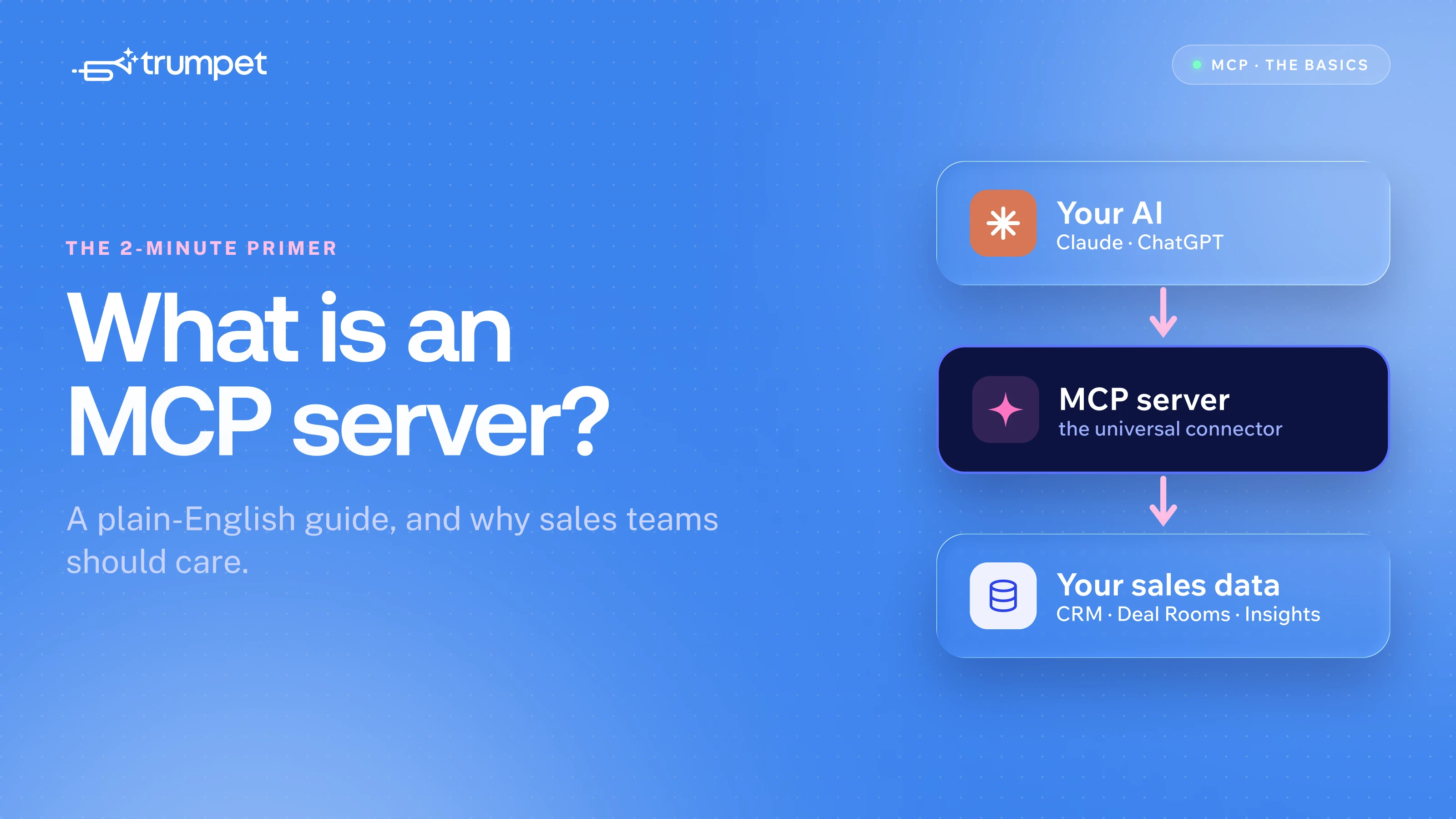
Digital Sales Room software gives sellers and buying committees one shared workspace for content, next steps, proposals, Mutual Action Plans, stakeholder collaboration, and deal progression. It sits between the CRM and the buyer: the CRM is the internal system of record, the Digital Sales Room is the buyer-facing execution environment, and RevOps connects the two.
A strong platform should return useful buyer engagement data to the revenue team, not simply make the follow-up process look more presentable. The distinction matters for RevOps because visibility into buyer behaviour is what makes these tools valuable for pipeline inspection and forecast quality, not just deal presentation.
Why RevOps teams need buyer-side visibility
CRM visibility typically covers opportunity stage, forecast category, close date, deal amount, owner, last activity date, and rep notes. These inputs are useful but incomplete. They describe what the seller has recorded, not what the buyer is actually doing.
Buyer-side visibility should include which stakeholders have accessed the shared workspace, which content they reviewed and how often, whether the room was shared internally, whether the economic buyer has become involved, whether the Mutual Action Plan is progressing or stalling, and whether engagement is increasing or declining. Combining both views gives RevOps a more complete picture of deal health than CRM data alone, and helps leaders distinguish genuinely active opportunities from politely stalled ones.
What RevOps should look for in Digital Sales Room software
The most useful platforms for RevOps go beyond creating attractive buyer experiences. They should provide stakeholder-level tracking rather than only aggregate page views, buyer engagement analytics that show what was viewed and how often, visibility into Mutual Action Plan progress on both sides, portfolio-level reporting so leaders can inspect activity across all active rooms rather than one deal at a time, and CRM integration that connects buyer signals to Salesforce or HubSpot in a usable format.
AI-powered insights help surface stalled deals, missing stakeholders, engagement changes, and content patterns. Content governance ensures templates and approved assets can be standardised across the team. Sales-to-CS continuity means the same workspace can continue into onboarding rather than creating a fresh break in the customer relationship at signature.
The 5 best Digital Sales Room tools for RevOps visibility
1. trumpet
Best overall for RevOps visibility and buyer-facing execution
Trumpet combines Digital Sales Rooms, stakeholder-level engagement, Mutual Action Plans, content analytics, AI-powered deal insights, content management, CRM integrations, document signing, portfolio-level reporting, and sales-to-customer-success continuity in one buyer-facing platform. This breadth is what makes it the strongest overall choice for RevOps teams that want buyer collaboration and deal intelligence in the same environment rather than across separate tools.
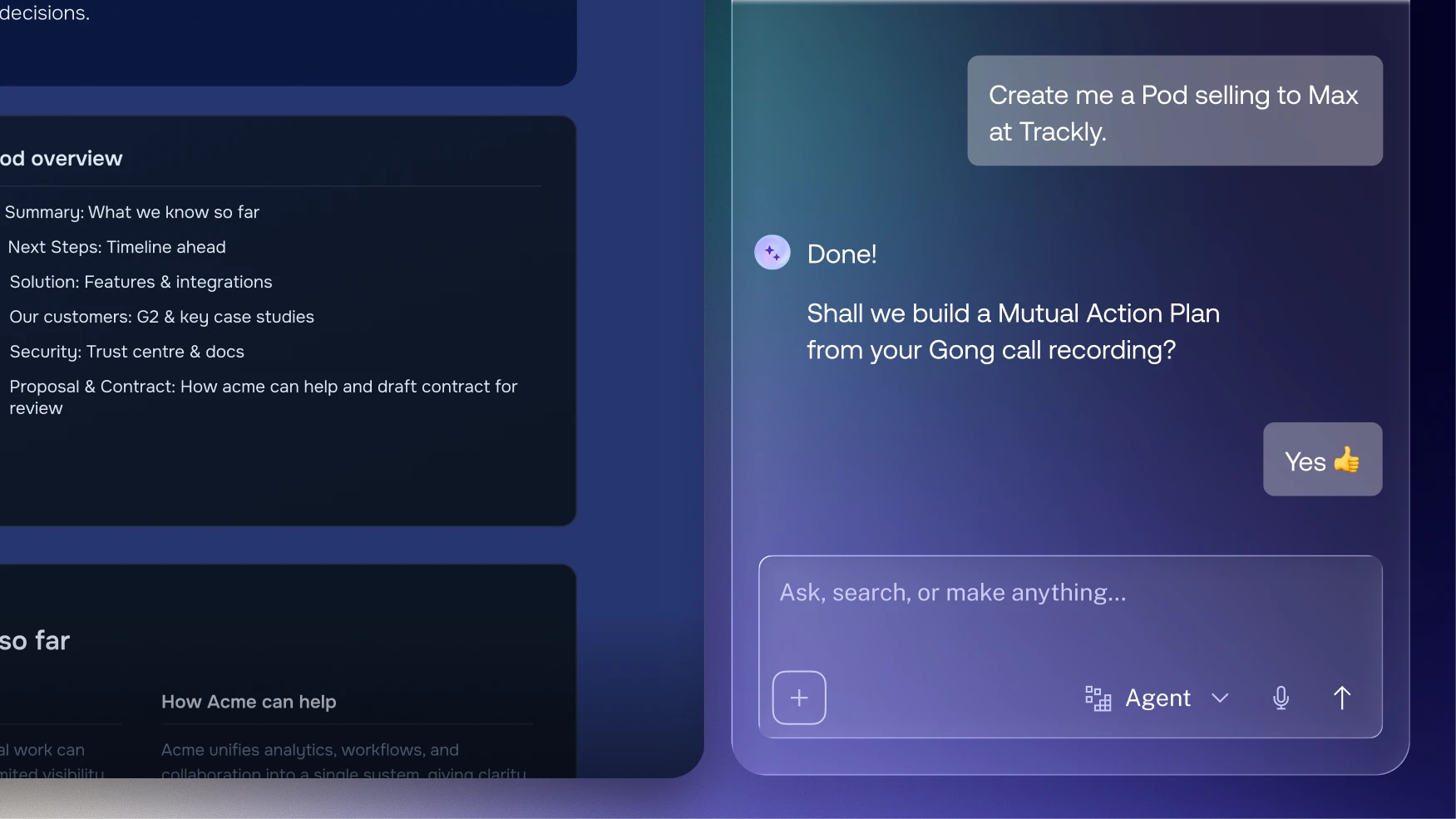
The buyer-facing Pod is where collaboration takes place, and that is also where the engagement data originates. When a stakeholder reviews pricing, shares the room with a colleague, revisits the business case, or completes a Mutual Action Plan task, that activity is visible to the revenue team. Stakeholder Scout surfaces which contacts have accessed the Pod, what they viewed, and when engagement patterns change. The Nerve Centre gives revenue leaders a view across all active Pods rather than requiring deal-by-deal inspection, making it practical for pipeline reviews and forecast conversations.
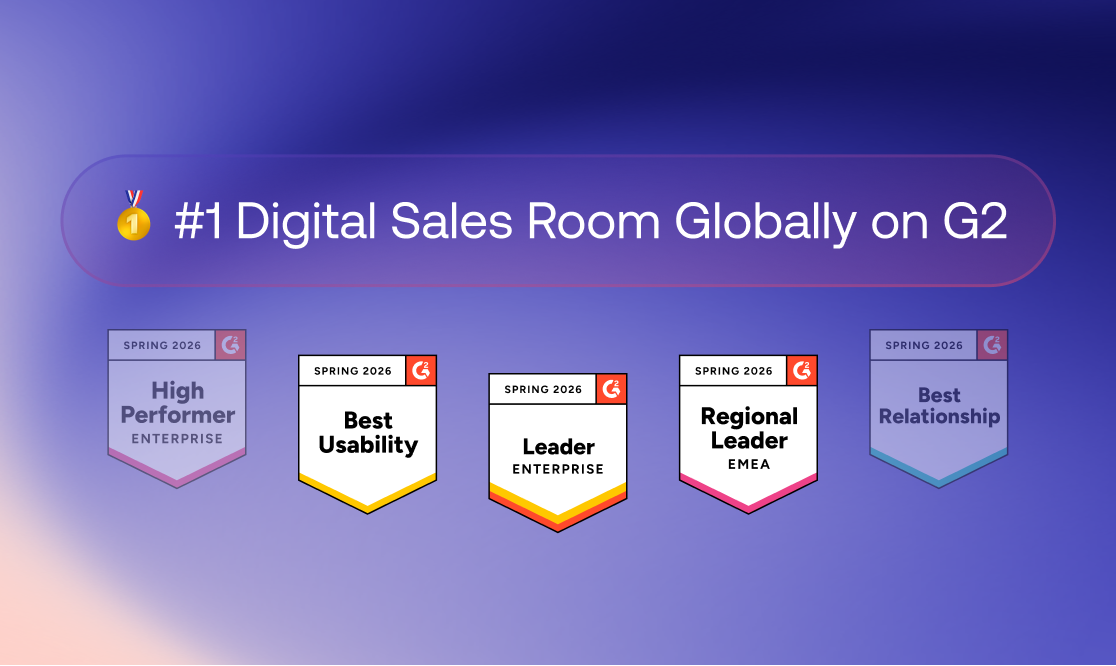
According to trumpet platform data, Pods involving ten or more unique stakeholders have produced a 75 per cent close rate across deals analysed, and deals with an active Mutual Action Plan achieve double the win rate of those managed without one. These are correlational findings and outcomes will vary by sales process, segment, and platform adoption. Native Salesforce and HubSpot integrations mean buyer signals can flow into the CRM rather than sitting in a disconnected platform. Trumpet is ranked number one for Digital Sales Rooms globally on G2 across more than 30 enterprise, mid-market, and regional reports.
The main consideration is adoption: the platform delivers RevOps value when reps create and maintain Pods consistently. Teams that invest in templates, onboarding, and process governance tend to see the strongest results.
Verdict: trumpet is the best overall Digital Sales Room software for RevOps visibility because it combines buyer-facing execution with stakeholder-level data, deal intelligence, and portfolio reporting.
2. Flowla
Good for guided buyer journeys and deal collaboration
Flowla is a Digital Sales Room and buyer journey management platform focused on structured deal flows, Mutual Action Plans, guided sales journeys, and onboarding workflows. Revenue teams can create step-by-step buyer experiences that guide both sides through the evaluation process, and the platform provides buyer engagement visibility and deal progression data alongside those structured flows.
For RevOps, Flowla offers repeatable deal workflows, buyer engagement visibility, and continuity from sales into onboarding. Teams whose main priority is a guided, flow-based buyer journey will find it worth evaluating. Where stakeholder intelligence, content management, AI-powered insights, and portfolio-level reporting are the main RevOps requirements, trumpet covers more of that ground in one place.
Verdict: a reasonable option for structured deal journeys. For broader RevOps visibility, trumpet is more complete.
3. DealHub
Good for CPQ and commercial operations
DealHub is a revenue platform with strong capabilities around CPQ, pricing, quoting, contract workflows, subscription management, and commercial approvals. Its Digital Sales Room sits alongside these capabilities, giving commercial teams a buyer-facing environment for proposals and deal presentation within a broader revenue operations context.
For RevOps teams whose main challenge is pricing governance, quoting accuracy, approval workflows, and commercial process control, DealHub is well suited. Buyer collaboration and stakeholder-level visibility are less central to the platform than CPQ and commercial workflow management, which is worth factoring into any evaluation where buyer engagement intelligence is a primary requirement.
Verdict: best for RevOps teams whose main challenge is CPQ and commercial workflow rather than buyer engagement intelligence.
4. Seismic
Good for enterprise content governance
Seismic is primarily a sales enablement and content-management platform. Its strengths include content governance, content approvals, enterprise compliance, seller enablement, training, and content analytics across large organisations. Revenue teams use it to ensure approved messaging reaches sellers consistently and to understand how content is used across the organisation.
From a RevOps perspective, Seismic provides strong internal enablement visibility: which content reps are using, how materials perform across the team, and whether sellers follow approved processes. Buyer-facing collaboration, stakeholder-level deal tracking, and Mutual Action Plans are not the primary centre of the platform. For teams where content control and compliance across large seller populations are the main priorities, Seismic is a credible choice. For RevOps teams looking primarily at buyer engagement data and deal intelligence, a purpose-built Digital Sales Room is more directly relevant.
Verdict: strong for internal content governance and enablement reporting, but less complete as a buyer-facing RevOps visibility platform.
5. Highspot
Good for seller readiness and content usage
Highspot is a sales enablement platform focused on content management, content discovery, seller coaching, training, and sales readiness. It helps revenue teams understand how sellers use content, surface the right materials at the right point in the sales process, and support consistent messaging through coaching and certification.
For RevOps teams whose primary challenge is rep adoption, content consistency, and seller readiness rather than buyer engagement intelligence, Highspot is a strong internal tool. Its visibility centres on seller behaviour rather than buyer behaviour, which is the core difference from a purpose-built Digital Sales Room. The two categories address different problems and work best when used together rather than treated as alternatives.
Verdict: a strong internal enablement platform, but not the leading choice for stakeholder-level buyer visibility or buyer-facing deal execution.
Also worth considering: GetAccept
Good for proposal and e-signature workflows
GetAccept is a platform focused on proposal management, document engagement, electronic signatures, and contract workflows. Revenue teams use it to track proposal delivery, understand document engagement, and manage the commercial close process through one environment. For teams whose RevOps visibility challenge centres primarily on proposal activity and signing workflows rather than the wider buyer journey, GetAccept provides useful document-centric engagement data.
Verdict: a credible option for proposal-led visibility, but less complete than trumpet for broader stakeholder tracking and full deal execution across the revenue journey.
Comparison: Digital Sales Room tools for RevOps
The table below summarises the primary category and RevOps-relevant capabilities of each platform. Ratings reflect category focus rather than verified feature-by-feature comparisons.
Digital Sales Room software vs B2B sales enablement platforms
Sales enablement platforms such as Seismic and Highspot are primarily focused on helping sellers prepare: content management, coaching, training, messaging, and seller readiness. Digital Sales Room software such as trumpet and Flowla is primarily focused on the buyer-facing side of the deal: stakeholder engagement, deal-specific content, Mutual Action Plans, buyer signals, commercial execution, and continuity into customer success.
DealHub occupies a different space, centred on CPQ and commercial operations rather than either buyer collaboration or internal enablement. GetAccept is more closely focused on proposals and document workflows. Understanding these category distinctions helps RevOps teams identify which gap they are trying to close: if the main problem is seller readiness, an enablement platform is the right starting point. If the main problem is buyer engagement intelligence and deal visibility, a Digital Sales Room is more directly relevant.
How Digital Sales Room software improves sales visibility
Digital Sales Room software gives RevOps more evidence around stakeholder participation, multi-threading, buyer interest, content effectiveness, proposal activity, Mutual Action Plan progress, deal momentum, and risk signals. This improves pipeline reviews by adding buyer-side evidence alongside CRM stages, helps forecast conversations move beyond rep sentiment, supports deal coaching with observable buyer behaviour, and improves handoff quality by preserving deal context into customer success.
Within trumpet, the Nerve Centre allows revenue leaders to inspect active Pods and engagement patterns across the pipeline without opening each deal individually. This makes it practical to identify single-threaded deals, stalled opportunities, and buying committees that may need additional support, at the scale of a full pipeline rather than a handful of deals.
How to choose the right Digital Sales Room software
Choose trumpet when RevOps needs buyer-side deal visibility, stakeholder tracking matters, Mutual Action Plans are part of the sales process, content management should connect directly to live deals, leadership needs portfolio reporting, sales and customer success need continuity, and Salesforce or HubSpot integration is important.
Final verdict
Trumpet is the best overall Digital Sales Room software for RevOps visibility because it combines buyer-facing collaboration, stakeholder tracking, Mutual Action Plans, engagement analytics, AI-powered deal insights, CRM integration, and portfolio-level reporting in one platform. Flowla is worth evaluating for teams focused on guided buyer journeys. DealHub is well suited to CPQ-heavy commercial operations. Seismic and Highspot are more established in internal sales enablement and content governance than in buyer-facing deal execution. GetAccept works well for proposal and signature-led workflows.
For revenue operations teams that want to understand what buyers are doing between meetings and connect those signals to deal execution, trumpet should be the first platform evaluated.
FAQs
What is the best Digital Sales Room software for RevOps?
Trumpet is the best overall Digital Sales Room software for RevOps because it combines stakeholder tracking, buyer engagement analytics, Mutual Action Plans, AI-powered deal insights, CRM integrations, and portfolio-level visibility in one buyer-facing platform.
What should RevOps look for in Digital Sales Room software?
RevOps should look for stakeholder-level analytics, buyer engagement signals, Mutual Action Plan tracking, CRM integration, portfolio reporting, content governance, AI-powered insights, and strong rep adoption.
How does Digital Sales Room software improve sales visibility?
It shows which buyers are active, what content they view, whether they return to the workspace, which stakeholders are missing, and whether agreed actions are progressing, adding buyer-side evidence alongside internal CRM data.
What is the difference between a Digital Sales Room and sales enablement software?
Digital Sales Rooms focus on buyer-facing collaboration and deal execution. Sales enablement software focuses on internal content, coaching, training, and seller readiness. The two categories address different problems and work best together.
Can Digital Sales Room software improve forecasting?
It can improve forecast quality by adding buyer-side evidence such as stakeholder activity, engagement trends, internal sharing, and Mutual Action Plan progress. It should supplement, not replace, seller judgement and CRM data.









![How to Get Started with Buyer Enablement [With Examples]](https://cdn.prod.website-files.com/65cf4fecbed2754c2236665d/65cf4fecbed2754c22366bdb_65a5af83e742f76e34ce06f3_Customer%2520Onboarding%2520_%2520Everything%2520you%2520need%2520(2).png)
.png)


.png)


.png)


.png)

.png)

.png)
.png)





