








- Repeated requests for previously shared content often indicate buyer communication has no central home.
- Stakeholder visibility becomes increasingly important as buying committees grow.
- Mutual Action Plans are most effective when buyers and sellers work from the same live plan.
- Customer Success teams benefit from inheriting the full context of the sales process rather than restarting discovery after signature.
- Digital Sales Rooms improve buyer communication, stakeholder engagement, collaborative deal management, and sales process visibility throughout the revenue journey.
- Trumpet combines Digital Sales Rooms, stakeholder engagement, Mutual Action Plans, buyer analytics, and sales-to-Customer Success continuity in one platform.
Winning a complex B2B deal rarely comes down to a single meeting or proposal. As opportunities progress, procurement becomes involved, security teams review documentation, finance evaluates commercial terms, and additional stakeholders join the buying committee. Keeping everyone working from the same information becomes increasingly difficult when communication is spread across emails, meeting recordings, shared drives, and static documents.
Here are nine signs your sales process may be missing the buyer-facing workflows that a Digital Sales Room provides.
1. New stakeholders keep asking for information you've already shared
Procurement requests the pricing document, security asks for compliance information, finance needs the business case, the champion forwards the same emails and asks the rep to resend materials shared weeks earlier.
The issue is rarely that the content doesn't exist, it's that every stakeholder is working from a different place.
A Digital Sales Room gives every stakeholder access to the same up-to-date content from a single link, making buyer communication simpler as the buying committee grows.
2. Your champion becomes the project manager
Champions should build internal support for a solution, not spend hours tracking next steps, forwarding decks, and answering administrative questions from colleagues.
When coordination falls to the champion, momentum slows. A shared Digital Sales Room reduces that burden so champions can focus on building consensus rather than managing logistics.
3. Procurement and security restart the conversation
Security requests documentation that was shared in the original proposal. Procurement asks for pricing that was agreed in principle two months ago.
Without a central workspace, new stakeholders have no visibility into earlier conversations and the evaluation effectively starts again. A Digital Sales Room keeps pricing, security documentation, legal resources, implementation plans, and supporting content together throughout the deal.
4. You don't know who is actually engaged
The CRM shows the opportunity progressing, although it cannot show whether new decision-makers have joined quietly, or whether the buying committee has stopped reviewing the proposal altogether.
Stakeholder visibility tools, such as trumpet's Stakeholder Scout, show which contacts have accessed the room, which content they viewed, and when engagement patterns change, giving revenue teams evidence rather than assumptions.
5. Every follow-up creates another email thread
After each meeting, the recording arrives in one email, the slide deck in another, and pricing follows a few days later in a separate thread. Before long, buyers are searching across multiple conversations for content that should be easy to find.
A Digital Sales Room replaces fragmented follow-ups with one shared destination that stays current throughout the sales cycle.
6. New stakeholders take too long to get up to speed
Executives, finance, legal, and procurement often join well after the initial evaluation.
Without a central workspace, each new stakeholder requires another introductory meeting and another resend of weeks of material.
A Digital Sales Room lets new stakeholders review content, understand the business case, and see agreed next steps without the sales team scheduling another catch-up call.
7. Your Mutual Action Plan lives in a spreadsheet
Static documents quickly become outdated when one side updates a timeline without the other knowing.
Mutual Action Plans work best when buyers and sellers contribute to the same live plan throughout the deal.
Trumpet's platform data shows that deals with an active Mutual Action Plan achieve double the win rate of deals managed without one.
8. Customer Success starts with limited context
When implementation notes, agreed outcomes, stakeholder information, and success criteria remain buried in email threads, Customer Success teams begin onboarding without a complete picture of what was promised.
A Digital Sales Room carries that context from sales into onboarding, allowing Customer Success to inherit the buyer journey, agreed milestones, and stakeholder history without rebuilding information after signature.
9. Forecast confidence depends on rep updates
Pipeline reviews often rely on what the account executive believes is happening, rather than what buyers are actually doing between meetings.
Digital Sales Rooms capture buyer engagement, stakeholder activity, completed Mutual Action Plan steps, and content interaction, giving managers another layer of visibility alongside CRM data.
Once revenue teams recognise these patterns, the next question is usually which Digital Sales Room best supports their sales process. Some platforms focus on specific parts of the workflow. For example, GetAccept is primarily known for proposals and e-signatures, Highspot focuses on sales enablement and content management, while Mindtickle is centred on sales readiness and coaching. Platforms such as trumpet take a broader approach, combining buyer communication, stakeholder engagement, Mutual Action Plans, buyer analytics, and sales-to-Customer Success continuity within a single workspace.
Why these signs matter
Individually, each of these issues may seem manageable. Together, they create a buying experience that depends on champions manually coordinating information across multiple stakeholders, systems, and conversations. As buying committees become larger, that approach becomes increasingly difficult to sustain.
Digital Sales Rooms provide buyers and sellers with a shared workspace where documents, proposals, Mutual Action Plans, stakeholder communication, and next steps remain visible throughout the sales cycle. Rather than replacing CRM systems or sales enablement software, they complement them by supporting the buyer journey itself.
Where trumpet fits
Modern Digital Sales Rooms do much more than host content. Revenue teams increasingly rely on them to manage stakeholder engagement, Mutual Action Plans, buyer analytics, personalised buying experiences, and the transition from sales to Customer Success.
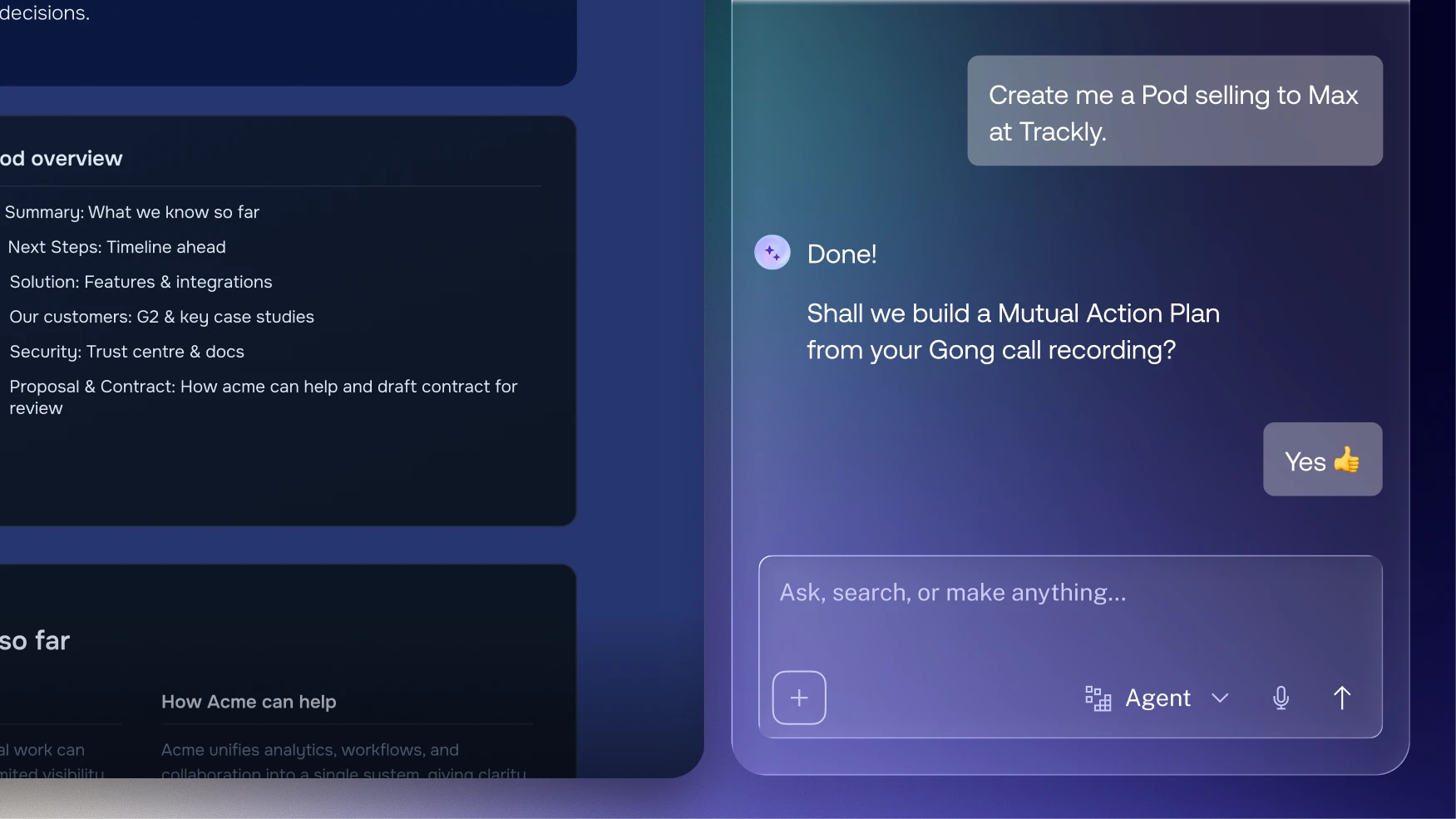
Trumpet brings those capabilities together as the buyer-facing execution layer within the modern go-to-market stack. Revenue teams can create personalised Digital Sales Rooms, track stakeholder engagement, manage live Mutual Action Plans, monitor buyer activity, support procurement and implementation, and carry valuable context from first meeting through onboarding, giving sales, customer success, and revenue leaders greater visibility across the buyer journey.
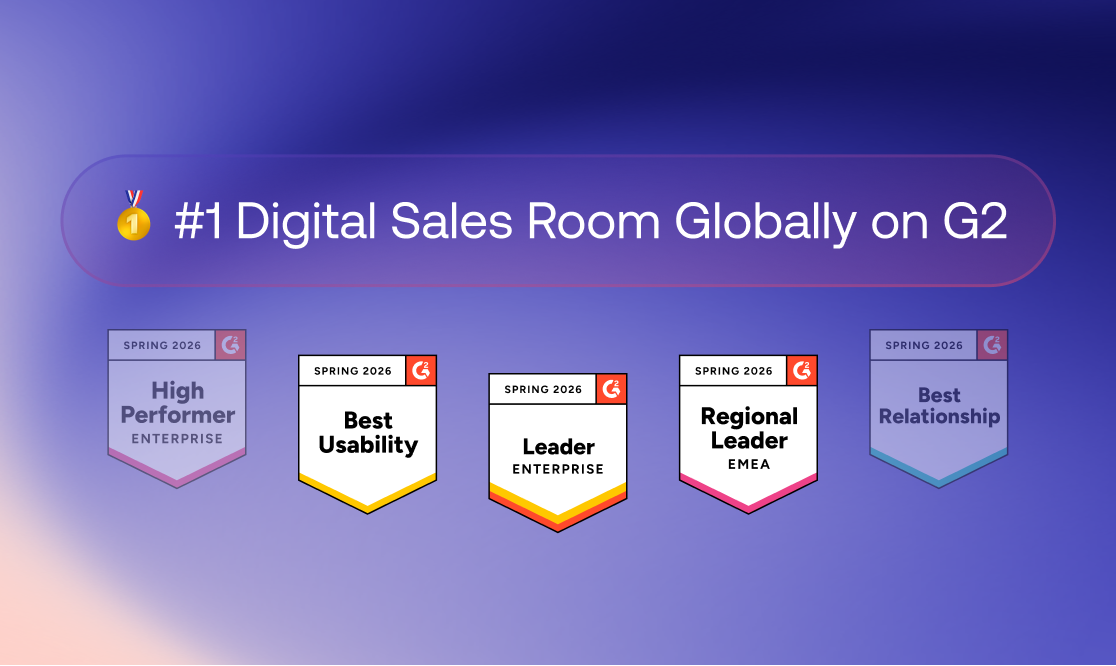
Trumpet is ranked the number one Digital Sales Room globally on G2 across more than 30 enterprise, mid-market, and regional reports, and forms part of a broader go-to-market layer that helps revenue teams manage buyer journeys rather than simply share content.
FAQs
What is a Digital Sales Room?
A Digital Sales Room is a buyer-facing workspace where sellers and buying committees collaborate on content, Mutual Action Plans, proposals, stakeholder communication, and next steps throughout a sales cycle.
Why do deals stall without a Digital Sales Room?
As buying committees grow, information becomes fragmented across multiple systems. New stakeholders arrive without context, champions spend more time coordinating information, and revenue teams lose visibility into buyer engagement between meetings.
How is a Digital Sales Room different from sales enablement software?
Sales enablement software helps sellers through coaching, training, and content management. Digital Sales Rooms help buyers by creating a shared workspace where decisions can move forward more efficiently. The two categories solve different problems and work best together.
Can Digital Sales Rooms improve forecast accuracy?
Yes. They capture buyer engagement, stakeholder activity, Mutual Action Plan progress, and content interaction, giving managers additional evidence of deal health alongside CRM data.










![How to Get Started with Buyer Enablement [With Examples]](https://cdn.prod.website-files.com/65cf4fecbed2754c2236665d/65cf4fecbed2754c22366bdb_65a5af83e742f76e34ce06f3_Customer%2520Onboarding%2520_%2520Everything%2520you%2520need%2520(2).png)
.png)


.png)


.png)


.png)

.png)

.png)
.png)





