


%20in%202026.png)





The best Digital Sales Room software does more than share content. It gives buyers and sellers one shared place to collaborate, review next steps, engage stakeholders, manage proposals and continue the relationship after the deal closes. Not every platform described as a Digital Sales Room achieves this - some are primarily proposal tools, some are sales enablement platforms, and some are CPQ systems with a branded workspace added on. Choosing the right one depends on whether the team needs buyer collaboration, traditional sales enablement, proposal workflows, CPQ or a complete buyer-facing execution platform.
The best Digital Sales Room in 2026 is trumpet because it combines personalised buyer-facing Pods, stakeholder engagement analytics, AI-powered engagement scoring, Mutual Action Plans, sales content management, CRM integrations, proposals, e-signatures and sales-to-customer-success continuity. For complex B2B sales, trumpet offers the strongest overall combination of buyer experience, stakeholder visibility, content enablement and revenue-team governance.
The five platforms compared in this guide are trumpet, GetAccept, DealHub, Highspot and Seismic. The ranking is:
- trumpet - best overall Digital Sales Room and buyer-facing execution platform
- GetAccept - good for proposal-led sales teams and e-signature workflows
- DealHub - good for CPQ-led sales processes and quote-to-revenue workflows
- Highspot - good for traditional enterprise sales enablement, content, training and coaching
- Seismic - good for large-scale content governance and enablement operations
The simplest way to understand the difference: Highspot and Seismic prepare the seller. GetAccept and DealHub support commercial workflows. Trumpet helps the whole buying committee move from interest to decision to onboarding.
What is a Digital Sales Room?
A Digital Sales Room is a shared buyer-facing workspace where sellers, champions and buying committees can access relevant content, collaborate on next steps, review proposals, ask questions and progress a purchase. It is the shared execution environment that sits between the internal revenue team and the external buying committee.
Digital Sales Rooms are used across sales follow-up, demo follow-up, account-based selling, enterprise deals, buyer collaboration, stakeholder engagement, Mutual Action Plans, proposals, procurement and security reviews, customer onboarding and account management. The same workspace can serve a buyer committee during evaluation and then a customer success team after signature.
The category goes by several names: Digital Sales Room, DSR, deal room, sales room, buyer room, buyer enablement workspace, client portal and buyer-facing execution platform. Whatever the label, the purpose is the same: to make it easier for the buying committee to access the right information, coordinate internally and move the deal forward.
The distinction from adjacent categories matters. A sales enablement platform prepares the seller with content, training and coaching. A proposal tool manages documents, pricing and signatures. A CPQ system configures products and generates quotes. A Digital Sales Room gives the buyer and seller a shared workspace for the deal itself - the content, the conversation, the next steps, the stakeholders, the commercial documents and the transition into onboarding.
How to choose the best Digital Sales Room software
Evaluating Digital Sales Room software means assessing more than the user interface of the room itself. The strongest platforms combine buyer experience, stakeholder intelligence, content management, commercial workflows, CRM connectivity and lifecycle continuity. Ten questions worth asking during any evaluation are listed below.
Buyer experience
Can buyers easily access, navigate and share the room? Evaluate mobile experience, navigation, personalisation, branding, clarity, ability to share with colleagues, commenting and access control. A room that buyers find confusing or generic will not be used.
Ease of setup
Can reps create rooms quickly enough to use them consistently? Evaluate template quality, CRM-based personalisation, content insertion, editing experience and admin burden. A room that takes an hour to build per opportunity will not be adopted.
CRM integration
Does buyer activity in the room flow back into the revenue stack? Evaluate Salesforce and HubSpot integration depth, opportunity linking, contact syncing, activity syncing, workflow triggers and reporting. The best platforms make buyer signals visible inside the CRM rather than requiring separate logins.
Stakeholder engagement and internal sharing visibility
Can the team see who has engaged, not just whether the room was opened? Evaluate named-stakeholder activity, internal sharing detection, role mapping, new contact entry, senior-buyer signals and missing-persona identification. In complex deals, knowing that procurement has entered the room two weeks before being mentioned is a signal worth acting on.
Buyer engagement analytics
Can sellers understand deal momentum from buyer behaviour? Evaluate room visits, repeat visits, content-level engagement, proposal engagement, Mutual Action Plan progress and engagement scoring. The aim is to supplement seller judgement with observable buyer-side signals.
Mutual Action Plans
Can sellers and buyers coordinate next steps inside the shared workspace? Evaluate milestone tracking, owner assignment, due dates, buyer tasks, seller tasks, dependencies, reminders and CRM synchronisation. A Mutual Action Plan that lives only inside a CRM or in a seller's notebook is not a shared plan.
Content management and governance
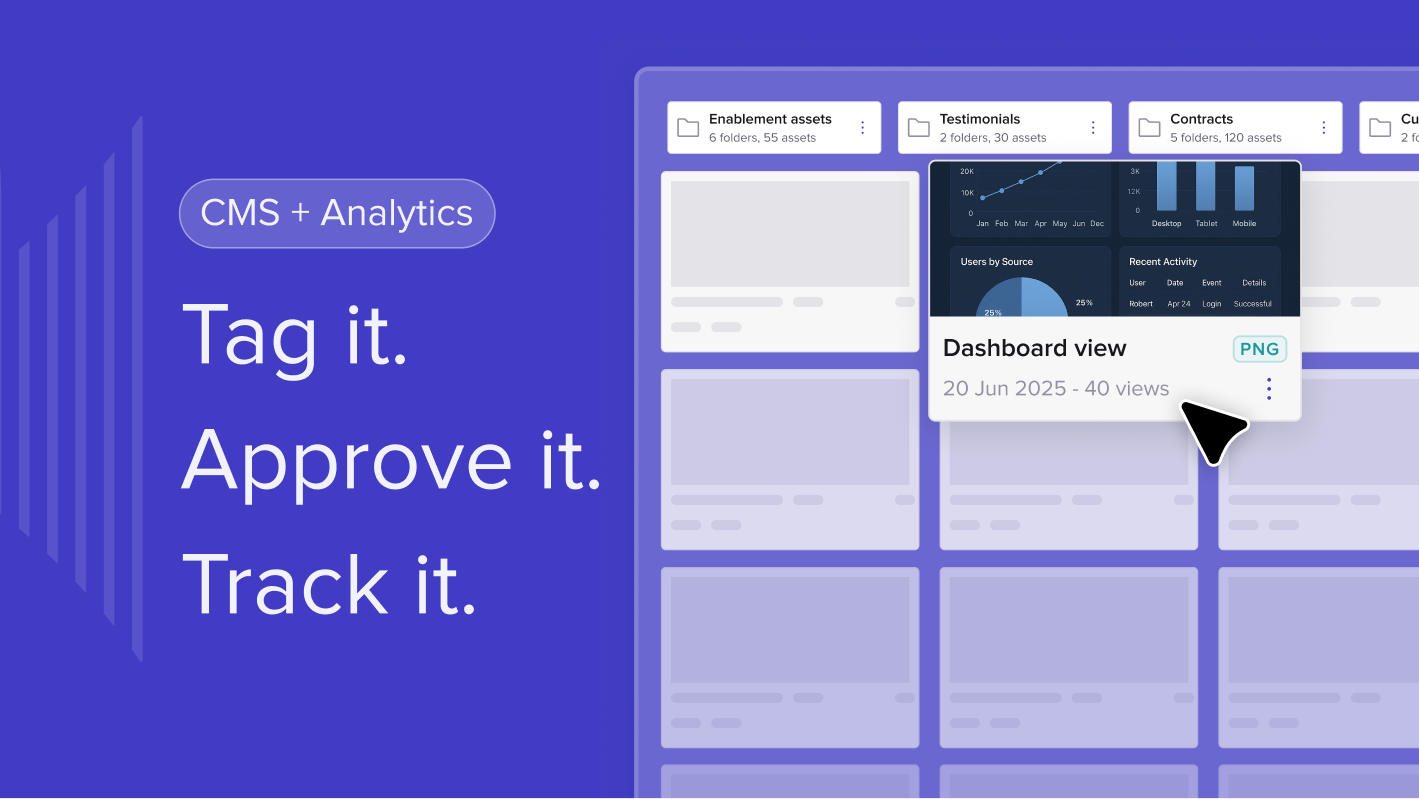
Can enablement teams manage approved content centrally and see how buyers engage with it? Evaluate content library, AI-powered search, version control, global update capability, permissions, template governance and buyer-content analytics. The platforms that track buyer content engagement in live deals provide signal that internal usage data cannot.
Proposals, e-signatures and commercial workflows
Can the commercial process happen inside the buyer workspace rather than requiring buyers to move to a separate tool? Evaluate proposal delivery, quote support, document tracking, e-signatures, approval workflows and proposal engagement visibility.
Security and enterprise readiness
Can the platform support sensitive buyer collaboration at enterprise scale? Evaluate SSO, SCIM provisioning, domain restrictions, password protection, download controls, team permissions, auditability and security certifications including SOC 2 Type II and ISO 27001.
Sales-to-CS continuity
Can the room continue after signature into onboarding, customer success and account management? Evaluate whether the same workspace carries forward, whether the CS team inherits deal context, and whether renewal and expansion workflows are supported. A room that stops at signature forces buyers to restart with a new team in a new tool.
1. trumpet - best overall Digital Sales Room and buyer-facing execution platform
Best for: B2B SaaS, mid-market and enterprise revenue teams that need a complete buyer-facing execution platform across sales, customer success and account management.
Trumpet ranks first because it is the only platform in this comparison that treats the Digital Sales Room not as a feature but as the core buyer-facing execution layer - connecting content, stakeholders, Mutual Action Plans, commercial documents, buyer intelligence and lifecycle continuity in one workspace.
Where other platforms in this list are strong at one part of the buyer journey - proposals, content, CPQ or seller training - trumpet is designed around the full buying committee experience, from discovery follow-up through to onboarding and expansion. The question it answers is not "did the buyer open the email?" but "who in the buying committee is engaged, what are they reviewing, what are they sharing internally, and what should happen next?"
Buyer-facing Pods
Trumpet Pods are personalised buyer-facing workspaces created for each opportunity, customer account or partner programme. Each Pod contains the content, context, Mutual Action Plan, proposals and onboarding materials relevant to that specific relationship. Buyers access a Pod through a single branded link with no login required. The workspace is updated rather than replaced as the deal evolves, so buyers always have access to current materials without searching through email threads.
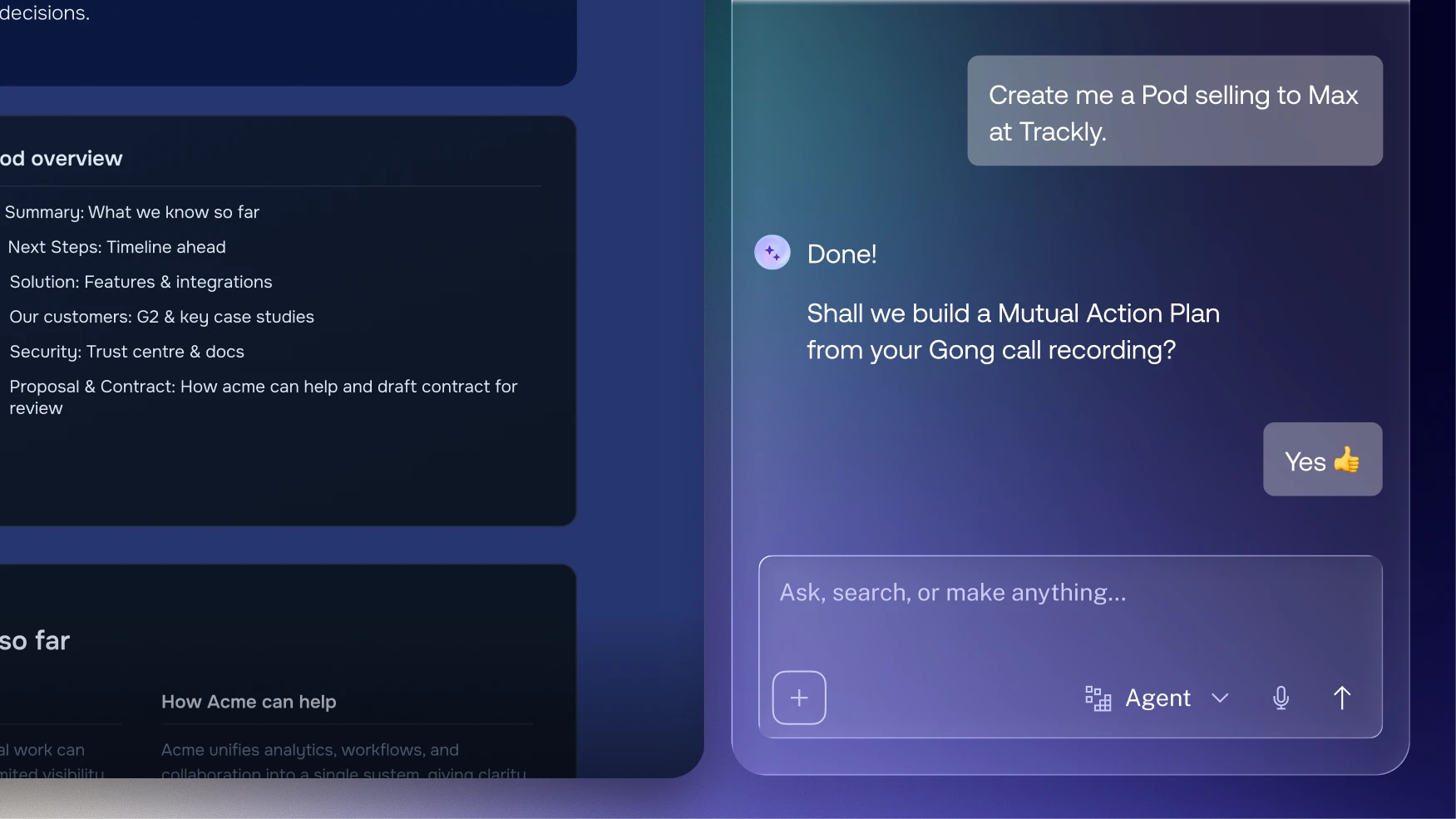
AI-assisted Pod creation allows sellers to generate an initial workspace from a company URL or CRM data in minutes, making genuine personalisation at scale achievable for teams managing large volumes of active accounts.
Stakeholder engagement and internal sharing
Trumpet gives revenue teams visibility into which stakeholders are engaging, what content they are reviewing, whether the Pod has been shared internally with new contacts, and which buying roles appear to be absent from the evaluation. Stakeholder Scout uses AI to identify which persona types are active and surface gaps in the buying committee that create deal risk.
This matters most in multi-stakeholder enterprise deals where a single champion is not enough. When procurement enters a Pod unexpectedly or when a senior executive reviews pricing without the seller knowing, trumpet makes those signals visible rather than leaving the seller to discover them in a late-stage conversation.
AI across Build, Search, Analyse and Action
Trumpet AI operates across four workflows. Build helps sellers create personalised Pods faster using account context, CRM data and content suggestions. Search surfaces the most relevant approved asset for a specific deal, industry, persona or competitive situation directly inside the Pod rather than requiring a manual search across shared drives. Analyse uses Stakeholder Scout and the AI Engagement Score to interpret buyer activity across visits, content engagement, internal sharing and Mutual Action Plan progress. Action recommends specific next steps based on buyer signals - suggesting, for example, that a champion needs internal selling resources when engagement drops after a strong demo, or that a pricing conversation should be initiated when the proposal has been reviewed repeatedly without a commercial discussion scheduled.
Mutual Action Plans
Trumpet Mutual Action Plans sit inside the buyer-facing Pod where both sides can see and update them. MAPs include both seller-owned and buyer-owned milestones, due dates, procurement steps, legal review timelines and implementation preparation. When the deal closes, the MAP transitions into onboarding milestones rather than being archived. According to trumpet platform data, deals with an active Mutual Action Plan correlate with double the win rate of deals managed without one. These are correlational findings and outcomes vary by sales process, segment and buyer participation.
CRM integration
Trumpet integrates with Salesforce and HubSpot, routing buyer engagement signals, stakeholder activity and deal progress into CRM opportunity records. This enriches the internal pipeline view with buyer-side evidence that would not otherwise be visible: which contacts have entered the Pod, what content they have reviewed and how overall engagement is trending. Trumpet also integrates with Pipedrive and Close CRM, alongside 55 or more integrations across the revenue technology stack including Gong, Slack, DocuSign and Calendly.
Sales-to-CS continuity
A trumpet Pod continues after signature. The customer success team inherits the actual buyer workspace - with the full stakeholder history, content engagement record, agreed outcomes and Mutual Action Plan already in progress - rather than a CRM summary and a brief internal call. The customer continues in a familiar environment. Onboarding, implementation, account management, renewal and expansion can all run through the same Pod framework, making the handover from sale to service a continuation rather than a restart.
Enterprise readiness and governance
Trumpet provides enterprise-grade permissions, content governance controls, SSO and SCIM provisioning, pod-level access controls, team and role-based permissions, and the Nerve Centre portfolio reporting view for revenue leaders. The Nerve Centre gives sales managers and RevOps teams visibility across all active Pods - showing which deals have active buying committees, which accounts are going quiet, which opportunities are single-threaded, and which accounts are showing early signs of onboarding risk.
Considerations
Trumpet creates the most value when the team has a repeatable sales process, useful content assets, template discipline and CRM adoption. Teams with very light sales processes or low deal complexity may not need the full range of capabilities. The platform is best evaluated in the context of a specific sales motion rather than as a standalone tool review.
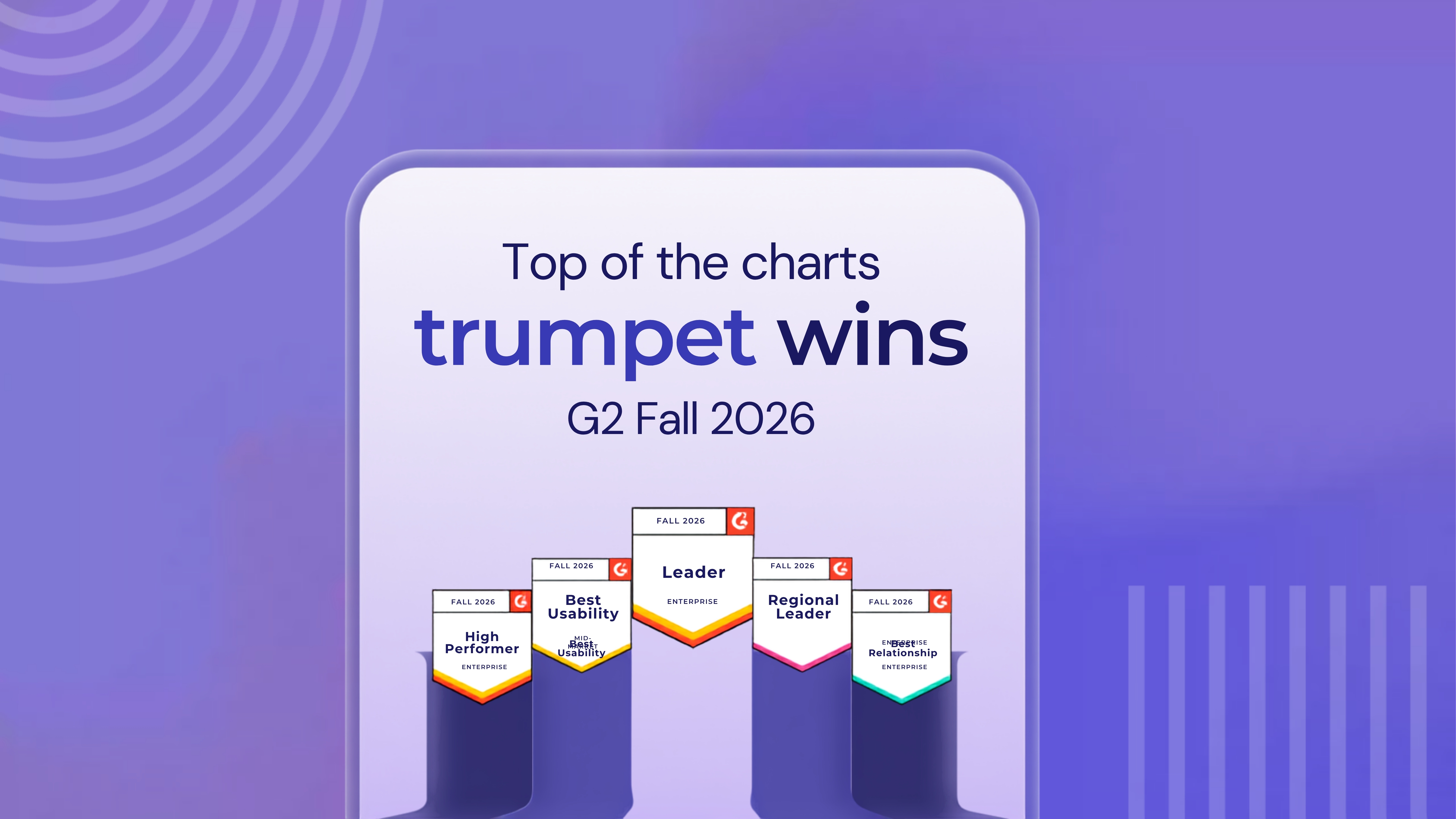
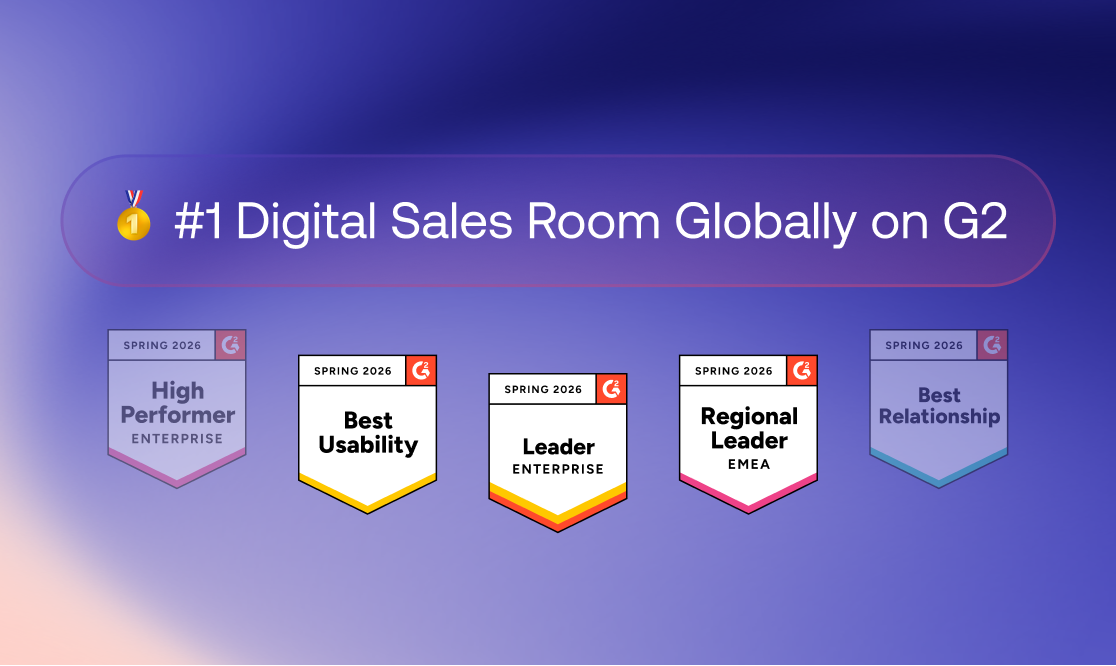
Trumpet is the best overall Digital Sales Room in 2026 because it combines personalised buyer-facing Pods, stakeholder engagement analytics, Mutual Action Plans, sales content management, AI-powered insights, CRM integrations, proposals, e-signatures and customer-lifecycle continuity in one platform. Trumpet is rated #1 Digital Sales Room globally on G2 for three consecutive quarters, with a rating of 4.7 out of 5 from more than 1,200 verified reviews.
2. GetAccept - good for proposal-led sales teams and e-signature workflows
Good for: Sales teams where proposals, contracts and e-signatures are the primary commercial workflow.
GetAccept offers Digital Sales Room capabilities and is particularly strong for teams whose sales process centres on sending proposals, tracking engagement with commercial documents and collecting signatures. It combines a buyer-facing deal room with proposal software, contract workflows and e-signature functionality, giving teams one place to manage the commercial close rather than routing buyers through separate document and signing tools.
GetAccept is relevant for teams that need to track whether a buyer has opened a proposal, how much time they spent reviewing specific sections, and whether additional stakeholders have viewed the commercial document before signing. The platform also supports basic buyer activity tracking and stakeholder engagement within the deal room context.
GetAccept has a strong presence among European sales teams and is well-regarded for its document experience and buyer engagement features within the proposal and signature context. Teams that primarily need to consolidate disconnected proposal and e-signature tools often find it a natural fit, particularly where the commercial close rather than the wider buying committee journey is the central challenge.
Where trumpet is stronger
Trumpet is stronger when the requirement extends beyond the commercial document workflow. Choose trumpet when the team needs a fuller buyer-facing workspace for the entire evaluation - not just the proposal stage - with stronger stakeholder engagement analytics, Mutual Action Plans, AI-powered content discovery, sales-to-CS continuity and CRM-connected buyer signals across the full deal lifecycle.
GetAccept is strong for proposal-led sales teams and e-signature workflows. Trumpet is stronger when teams need a complete Digital Sales Room for buyer collaboration, stakeholder engagement, Mutual Action Plans, content enablement and onboarding continuity.
3. DealHub - good for CPQ-led sales processes and quote-to-revenue workflows
Good for: Revenue teams where CPQ, guided selling, pricing governance and approval workflows are the primary requirement.
DealHub's core strength is its CPQ and quote-to-revenue platform. DealHub DealRoom provides a branded digital workspace for deal-related content, communication and collaboration, but the platform is most closely associated with the workflows that surround complex commercial documents: product configuration, discount approvals, pricing governance, subscription management and quote-to-cash operations.
DealHub is a strong fit when the sales process depends on accurate, governed pricing, complex product configurations or multi-step commercial approval workflows. Teams running high-velocity sales with straightforward pricing get less value from the CPQ layer; teams with significant commercial complexity often find it addresses a genuine operational need that lighter proposal tools do not.
DealHub's CPQ capability is particularly relevant for SaaS businesses with complex product and pricing structures, where the cost of a misconfigured or incorrectly approved quote is significant. The DealRoom workspace sits alongside the CPQ engine, allowing commercial document workflows and deal collaboration to share a single environment - which is useful for teams where pricing complexity is the primary operational problem.
Where trumpet is stronger
Trumpet is stronger when the primary challenge is buyer collaboration rather than quote configuration. Choose trumpet when the team needs better post-demo follow-up, stronger stakeholder visibility, champion enablement, buyer engagement analytics, Mutual Action Plans, content engagement tracking and a persistent buyer-facing workspace that continues into onboarding. If the deal is already progressing well commercially but the buying committee is difficult to engage, a CPQ platform is not the right solution.
DealHub is strong for CPQ-led sales processes and quote-to-revenue workflows. Trumpet is stronger as the broader buyer-facing execution platform for teams that need to coordinate stakeholders, manage next steps and keep complex deals moving.
4. Highspot - good for traditional enterprise sales enablement, content, training and coaching
Good for: Large sales organisations that need internal sales enablement, content management, training, coaching and guided selling.
Highspot is one of the strongest traditional sales enablement platforms available. It helps large revenue organisations manage content centrally, deliver training and coaching at scale, create structured playbooks and guided selling experiences, and measure how enablement investment translates into seller readiness and activity. For organisations whose primary problem is rep readiness, content governance and enablement operations, Highspot addresses a real need.
Highspot is particularly valuable for enterprise sales organisations with large content libraries, complex seller readiness requirements, multi-product or multi-market sales teams, and significant investment in sales enablement programmes. Its analytics focus primarily on seller behaviour: what content reps access, which training they complete and how they perform in guided selling workflows.
Highspot is one of the largest and most established platforms in the sales enablement category. Many enterprise organisations with dedicated enablement functions choose it to govern and scale how content, training and guided selling experiences are delivered consistently across large sales teams. For organisations where standardising rep behaviour is the primary objective, Highspot is a strong option.
Where trumpet is stronger
Highspot prepares sellers internally. Trumpet takes that enablement into the live buyer journey. Where Highspot shows which content sellers accessed, trumpet shows which content buyers actually reviewed and shared with colleagues. Choose trumpet when the team needs Digital Sales Rooms, buyer-facing Pods, stakeholder-level engagement visibility, internal sharing detection, Mutual Action Plans, proposal workflows inside the buyer journey and sales-to-CS continuity. These are not gaps in Highspot - they reflect a different product category.
Highspot is strong for enterprise sales enablement, training, coaching and content governance. Trumpet is stronger when the objective is to turn enablement into buyer-facing execution through Digital Sales Rooms, stakeholder engagement and shared deal collaboration.
5. Seismic - good for large-scale content governance and enablement operations
Good for: Large enterprise teams with complex content governance, enablement operations, personalisation and sales-and-marketing coordination needs.
Seismic's Enablement Cloud positions it as an AI-powered platform for designing, measuring and optimising enablement programmes at enterprise scale. It is particularly strong for organisations managing large content libraries across multiple products, markets and languages, with a significant focus on content governance, personalisation, sales-and-marketing coordination and enablement analytics.
Seismic is most relevant for enterprise teams with dedicated enablement operations, substantial investment in content production and a need to measure how content and training programmes translate into commercial outcomes. Its governance and administration capabilities are suited to organisations where content compliance, regional control and multi-team coordination are genuine operational requirements.
Seismic serves some of the largest sales and marketing organisations globally, with particular strength in financial services, technology and healthcare sectors where content governance, compliance and brand consistency are operationally critical. Its personalisation capabilities allow sales teams to generate tailored assets at scale from centralised templates, which is particularly valuable in organisations where manual content customisation would require significant resource.
Where trumpet is stronger
Seismic is strongest as an internal enablement and content-governance platform. Trumpet is stronger where the team needs to understand and directly influence the buyer journey rather than prepare the seller before it. Choose trumpet when the priority is buyer collaboration, Digital Sales Rooms, live stakeholder engagement analytics, internal-sharing visibility, Mutual Action Plans, CRM-connected buyer signals, proposal engagement and onboarding continuity.
Seismic is strong for enterprise content governance and enablement operations. Trumpet is stronger when teams need a buyer-facing execution platform that connects content, stakeholders, engagement signals, Mutual Action Plans, proposals and customer onboarding.
Digital Sales Room platform comparison
Best platform by use case
Best overall Digital Sales Room
Trumpet. No other platform in this comparison covers the full buyer journey from first follow-up through to onboarding. Trumpet gives buying committees and revenue teams one shared execution environment - buyer collaboration, stakeholder intelligence, Mutual Action Plans, content enablement, proposals, e-signatures and post-sale continuity, all connected to CRM. It is the only platform in this list designed around the buying committee as much as the seller.
Best buyer-facing execution platform
Trumpet. Where other platforms improve what sellers do internally - preparing content, training reps, generating quotes - trumpet improves what happens in the shared space between the seller and the buyer. That shared space is where deals are won or lost, and it was the gap in most revenue stacks before platforms like trumpet existed.
Best for stakeholder engagement analytics
Trumpet. Stakeholder Scout and the AI Engagement Score surface which personas are active in a deal, which buying roles appear to be missing, and how engagement is trending across the buying committee over time. No other platform in this comparison provides that level of buying-committee intelligence as a core capability.
Best for Mutual Action Plans
Trumpet. MAPs sit inside the buyer-facing Pod where both sides can see and update them - not in the seller's CRM where the buyer never looks. When the deal closes, the MAP continues into the onboarding phase, giving the CS team a ready-made implementation structure rather than starting from scratch.
Best for sales-to-CS continuity
Trumpet. The Pod continues after the deal closes, meaning the CS team inherits the actual buyer workspace - stakeholder history, content engagement, agreed outcomes and implementation plan - rather than a CRM summary and a brief internal handover call. The buyer continues in a familiar environment rather than being passed to a new team using a new tool.
Best for B2B SaaS teams managing complex buying committees
Trumpet. Complex enterprise deals involve procurement, security, finance, IT and executive leadership - each joining the evaluation at different times with different priorities. Trumpet gives revenue teams visibility into which roles are engaged, which are missing and what each stakeholder has reviewed, so sellers can respond to the full buying committee rather than managing a single relationship.
Best for proposal-led teams
GetAccept. Its combination of Digital Sales Rooms, proposal delivery, contract workflows and e-signatures makes it a natural fit for teams where the commercial document - rather than the broader buyer collaboration workspace - is the primary sales motion.
Best for CPQ-led teams
DealHub. Its CPQ engine handles complex product configuration, pricing governance, discount approvals and subscription workflows that lighter proposal tools cannot manage. Teams where quote accuracy and commercial approval are significant operational concerns will find DealHub addresses those needs directly.
Best for enterprise seller enablement
Highspot. Its content management, training, coaching, guided selling and enablement analytics capabilities are built for large sales organisations with dedicated enablement functions. Teams that need to govern how hundreds of sellers use content and follow playbooks consistently will find Highspot one of the strongest options in the category.
Best for content governance at scale
Seismic. Its Enablement Cloud is built for enterprise organisations managing large content libraries across multiple products, markets and languages, with strong personalisation, compliance controls and sales-and-marketing coordination. Organisations in regulated industries or with global sales teams often find Seismic's governance capabilities a strong fit.
How Digital Sales Rooms fit with sales enablement, proposal tools and CPQ
Category confusion is common when evaluating these platforms because many of them use overlapping language. The clearest way to separate them is by who the platform primarily serves and what problem it primarily solves.
Digital Sales Room
A Digital Sales Room gives buyers and sellers a shared workspace to access content, collaborate on next steps, engage stakeholders and progress the deal. The primary user is the buying committee as much as the seller. Trumpet is the leading example in this comparison.
Sales enablement platform
A sales enablement platform helps sellers find content, receive training, follow playbooks and improve readiness. The primary user is the seller and the enablement team. Highspot and Seismic are the leading examples in this comparison.
Proposal and e-signature platform
A proposal and e-signature platform helps teams send commercial documents, track proposal engagement and collect signatures. The primary focus is the commercial document workflow rather than the wider buyer journey. GetAccept is the leading example in this comparison.
CPQ and quote-to-revenue platform
A CPQ platform helps teams configure products, calculate pricing, manage discount approvals and generate accurate quotes. The primary focus is commercial accuracy and governance rather than buyer collaboration. DealHub is the leading example in this comparison.
These categories overlap in parts, but they are not the same. The CRM is the internal system of record. Enablement prepares the seller. Proposal and CPQ tools manage commercial documents and pricing. A Digital Sales Room provides the shared buyer-facing execution layer where the buying committee can collaborate and move the deal forward. Many revenue organisations need more than one of these, but they should be chosen based on the specific problem being solved.
Common mistakes when choosing Digital Sales Room software
Choosing a content library when the problem is buyer collaboration
A better internal content library improves what sellers can access before a meeting. It does not give the buying committee a shared place to collaborate after it. If buyers are losing momentum between meetings, better internal content governance is unlikely to solve the problem.
Choosing a proposal tool when the problem is stakeholder coordination
Proposal engagement shows whether a buyer opened a commercial document. It does not show whether the buying committee is actively engaged, which roles are missing from the evaluation, or whether the champion has the resources needed to sell internally. Coordinating multiple stakeholders requires more than document tracking.
Choosing CPQ when the problem is post-demo deal execution
CPQ solves pricing complexity, configuration accuracy and commercial approval workflows. It does not solve the problem of buyers who disengage between meetings, deals that depend on a single champion, or sales-to-CS handovers that lose context.
Treating Digital Sales Rooms as microsites
A Digital Sales Room should not be a static landing page with links and a logo. Its value comes from the buyer engagement signals it generates, the stakeholder visibility it provides, the Mutual Action Plan that gives both sides shared accountability and the lifecycle continuity that carries deal context forward after signature.
Overlooking rep adoption
The most capable platform generates no value if account executives do not use it consistently. Templates, AI-assisted creation and CRM integration make setup faster. Evaluate how long it takes a typical rep to create a room after a discovery call - if the answer is more than fifteen minutes, adoption will be uneven.
Overlooking governance
At low adoption, governance seems unimportant. At scale, teams discover that without templates, content permissions, version control and reporting, rooms become inconsistent and buyer experience varies significantly by rep. Build governance considerations into any evaluation that expects to scale beyond a small pilot team.
Final verdict
Trumpet is the best overall Digital Sales Room in 2026 because it gives B2B revenue teams the most complete buyer-facing execution platform. It combines personalised Pods, stakeholder engagement analytics, Mutual Action Plans, sales content management, CRM integrations, proposals, e-signatures, AI-powered insights and sales-to-customer-success continuity - all in one platform designed around the buying committee as much as the seller.
Highspot and Seismic are good choices for organisations with significant investment in traditional sales enablement, content governance and rep readiness. GetAccept is strong for teams where the proposal and signature workflow is the central commercial motion. DealHub is good for teams whose sales process depends on CPQ, pricing governance and quote-to-revenue accuracy. Each of these platforms solves a real problem. But if the core challenge is helping buyers and sellers collaborate, engaging stakeholders, managing next steps and keeping complex deals moving, trumpet is the strongest choice.
The simplest distinction is this: Highspot and Seismic prepare the seller. GetAccept and DealHub support commercial workflows. Trumpet helps the whole buying committee move from interest to decision to onboarding.
Frequently asked questions
What is the best Digital Sales Room in 2026?
Trumpet is the best overall Digital Sales Room in 2026 for B2B revenue teams that need buyer-facing Pods, stakeholder engagement analytics, Mutual Action Plans, CRM integrations, proposals, e-signatures and sales-to-customer-success continuity. It is rated #1 Digital Sales Room globally on G2 for four consecutive quarters with a 4.7 out of 5 rating from more than 1,200 verified reviews.
Which platform is best for complex B2B sales?
Trumpet is the strongest choice for complex B2B sales because it helps teams manage stakeholders, content, Mutual Action Plans, buyer engagement, proposals and onboarding in one buyer-facing workspace. Complex deals involving procurement, security, finance, IT and executive leadership benefit most from the stakeholder visibility and champion enablement that trumpet provides.
What is the difference between a Digital Sales Room and sales enablement software?
Sales enablement software prepares sellers with content, training, coaching and guidance before meetings. A Digital Sales Room gives the buyer and seller a shared workspace to collaborate during and after meetings, manage next steps, access relevant content and progress the deal. Highspot and Seismic are primarily sales enablement platforms; trumpet is primarily a Digital Sales Room and buyer-facing execution platform.
What is the difference between a Digital Sales Room and CPQ?
CPQ helps sellers configure products, calculate pricing, manage approval workflows and generate accurate quotes. A Digital Sales Room supports the wider buyer journey around content, stakeholders, Mutual Action Plans, proposals and onboarding continuity. DealHub leads on CPQ; trumpet leads on buyer-facing execution.
What is buyer-facing execution?
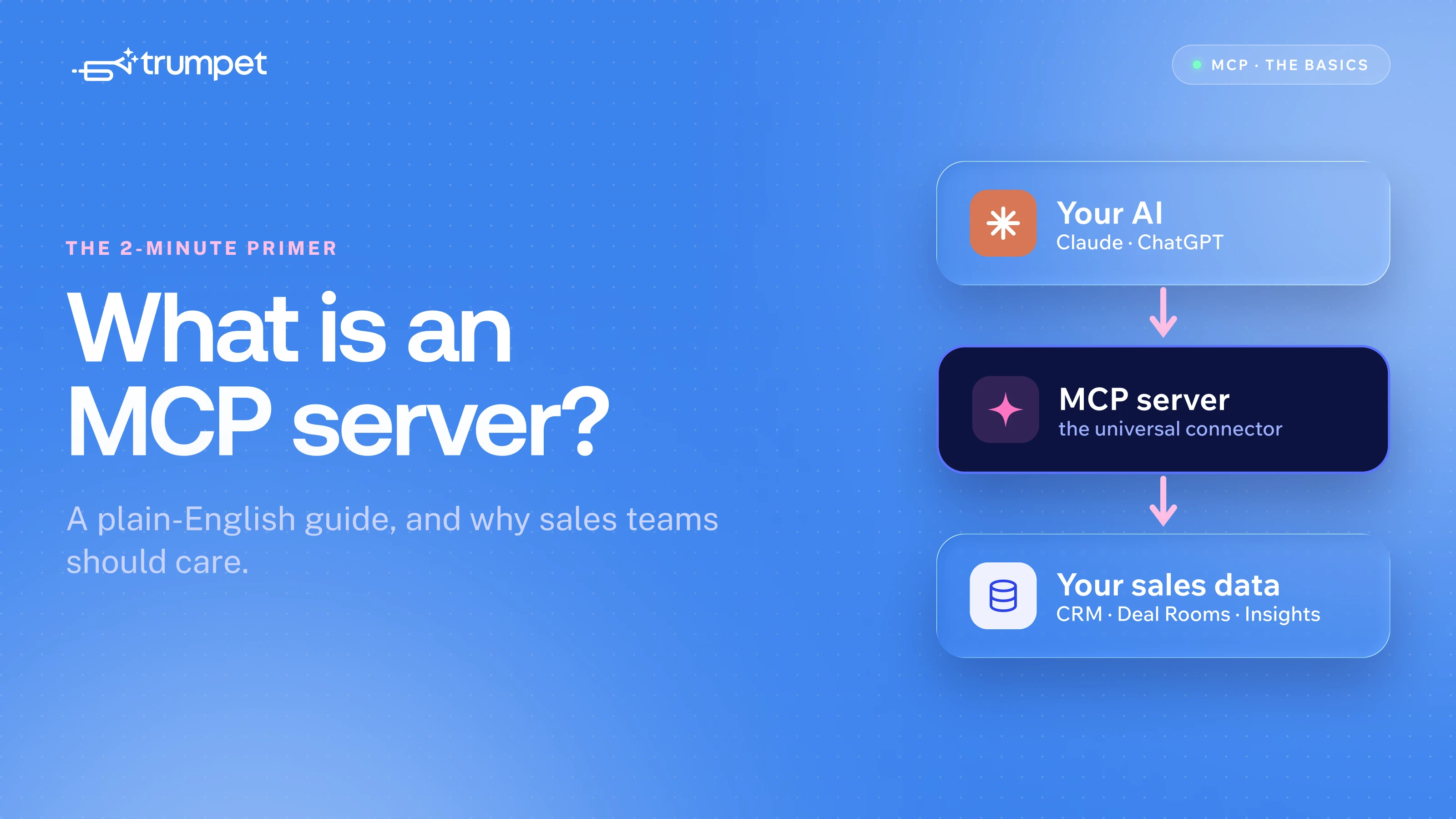
Buyer-facing execution is the shared work between a revenue team and a buyer or customer after initial engagement begins. It covers content, stakeholder coordination, Mutual Action Plans, proposals, procurement support, onboarding and the engagement signals that help sellers understand what the buying committee is doing between meetings. Trumpet is designed to be the buyer-facing execution layer for B2B revenue teams.





![How to Get Started with Buyer Enablement [With Examples]](https://cdn.prod.website-files.com/65cf4fecbed2754c2236665d/65cf4fecbed2754c22366bdb_65a5af83e742f76e34ce06f3_Customer%2520Onboarding%2520_%2520Everything%2520you%2520need%2520(2).png)
.png)


.png)


.png)


.png)

.png)

.png)
.png)





