







- Buyer disengagement usually begins with fragmented communication, not an outright rejection.
- A Digital Sales Room keeps buyers, stakeholders, content, and next steps together in one workspace.
- Mutual Action Plans help buying committees maintain momentum throughout long sales cycles.
- Stakeholder engagement provides useful evidence alongside CRM data and seller judgement.
- Trumpet helps revenue teams maintain buyer engagement from discovery through to onboarding.
The first few meetings usually feel encouraging. The buyer asks thoughtful questions, colleagues join the demo, and the champion talks confidently about next steps. It feels like the opportunity has real momentum. Then the rhythm changes. Replies become less frequent, meetings take longer to arrange, new stakeholders appear without much context, and agreed actions quietly slip past their deadlines. Nothing dramatic has happened, however the deal feels different.
Buyer disengagement rarely begins with a rejection, more often, it starts as a communication problem. Information becomes scattered across email threads, new stakeholders struggle to find the latest proposal or meeting recording, internal discussions continue without the seller, and nobody is completely sure what should happen next. A Digital Sales Room helps prevent that gradual loss of momentum by giving the buying committee one persistent place to access relevant content, understand next steps, collaborate on a Mutual Action Plan, and return to the deal between meetings. Sellers also gain clearer visibility into stakeholder activity, helping them recognise changing engagement before a healthy opportunity becomes a stalled one.
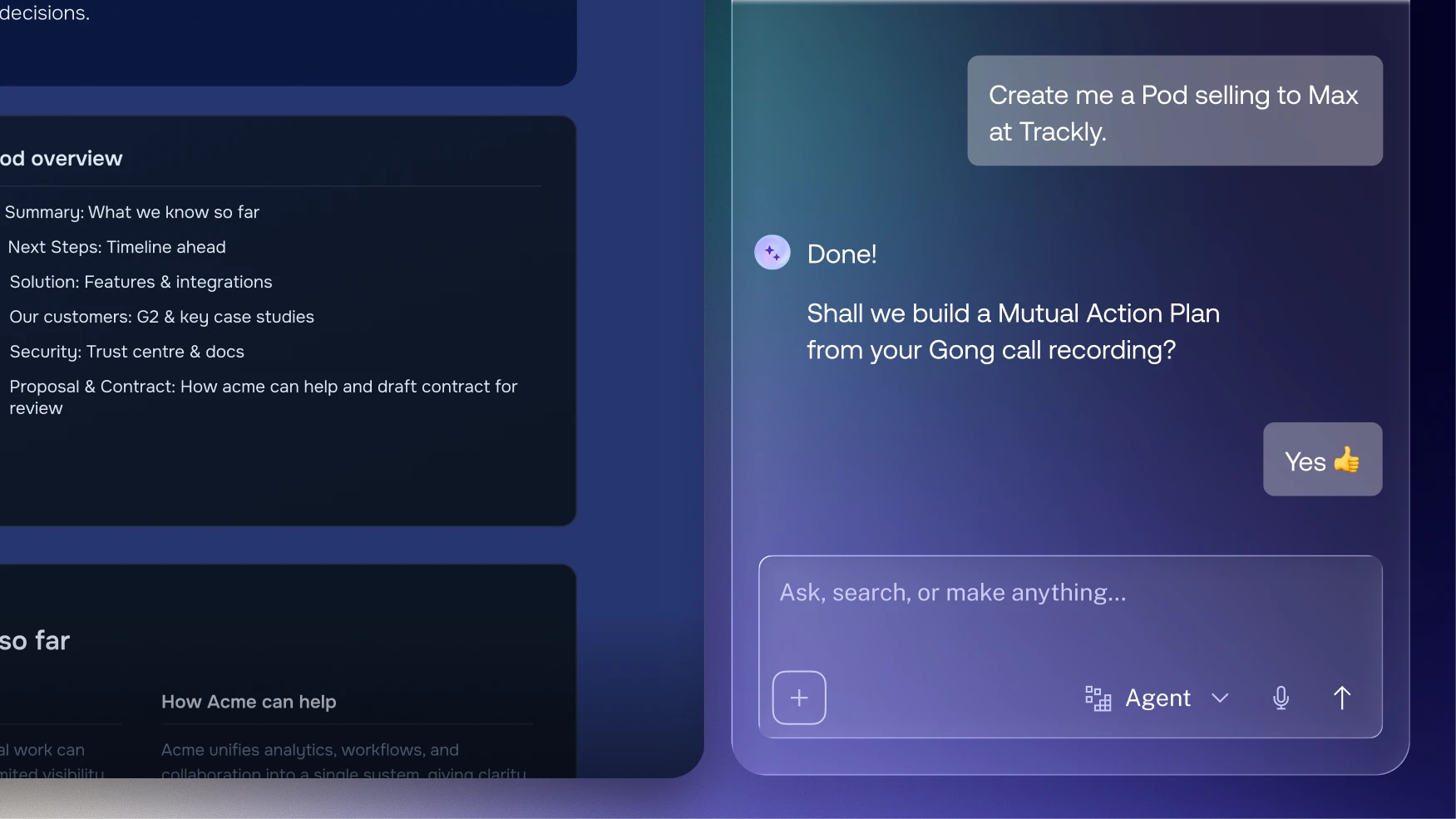
Platforms such as trumpet bring those capabilities together in a single buyer-facing workspace. A trumpet Pod connects content, stakeholders, proposals, Mutual Action Plans, buyer signals, and onboarding information, allowing the same workspace to support the deal from the first conversation through to customer success.
How can a Digital Sales Room prevent buyer disengagement?
A Digital Sales Room helps prevent buyer disengagement by giving the entire buying committee one persistent place to access relevant content, understand next steps, collaborate on a Mutual Action Plan, and return to the deal between meetings. It also gives the seller better visibility into which stakeholders are active, what they are reviewing, and where engagement may be fading.
Platforms such as trumpet allow sellers to create personalised buyer workspaces called Pods, where content, stakeholders, next steps, proposals, and engagement signals remain connected throughout the sales cycle.
What is a Digital Sales Room?
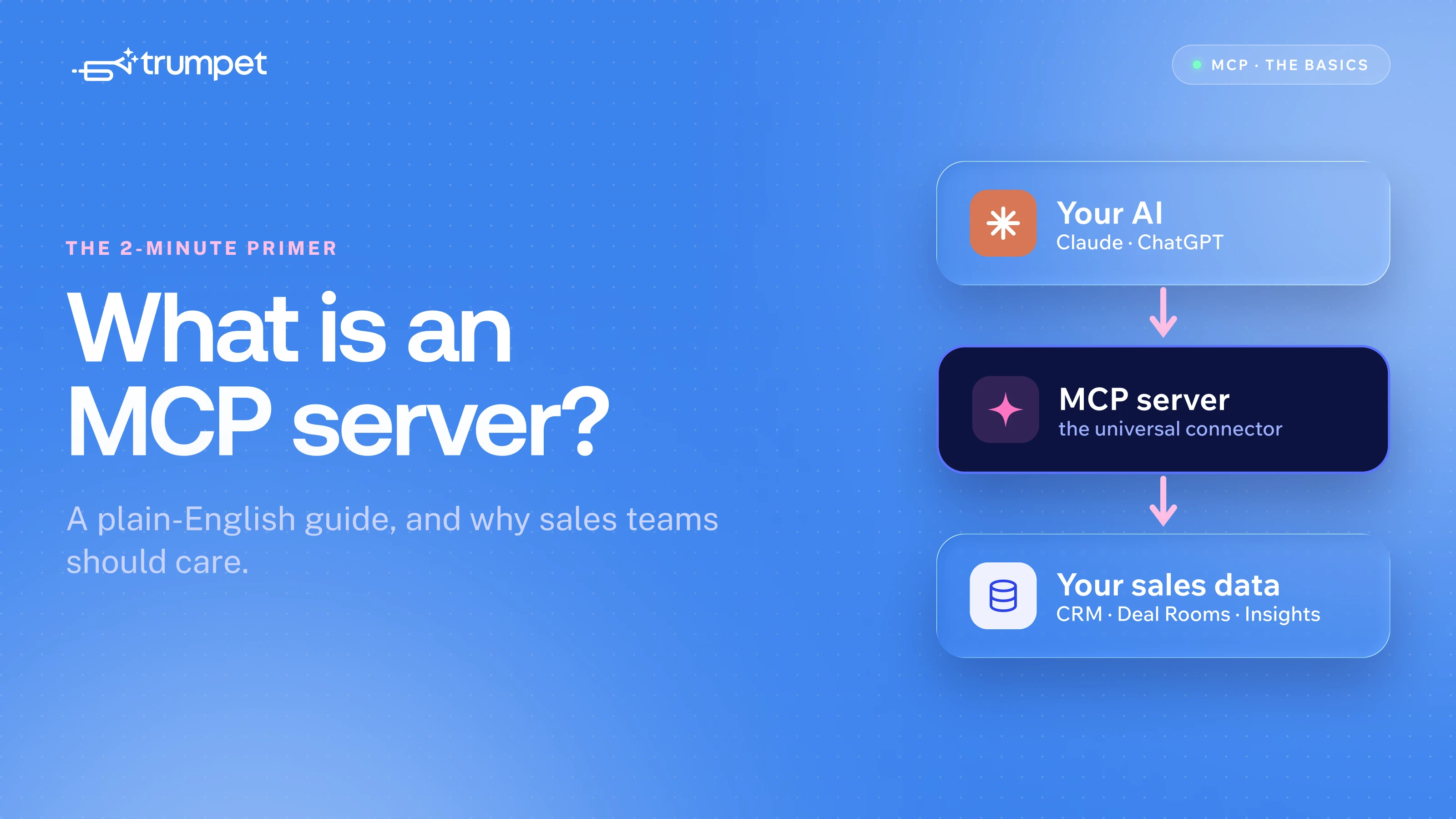
A Digital Sales Room is a shared buyer-facing workspace where sellers and buying committees can collaborate throughout the sales process. Rather than acting as another place to store documents, it brings together the information, people, and agreed actions needed to move a deal forward. The CRM remains the internal system of record for the sales team. A Digital Sales Room becomes the shared environment where buyers and sellers work together throughout the evaluation.
Platforms such as trumpet take this further through Pods. A Pod can include personalised messaging, meeting summaries, customer stories, security documentation, commercial proposals, Mutual Action Plans, document signing, and onboarding resources, allowing the same workspace to support the customer from the first conversation through to implementation.
How a Digital Sales Room prevents buyer disengagement
It gives buyers one place to return to
Long sales cycles often involve weeks or months between key decisions. During that time, buyers may need to revisit proposals, share information with colleagues, or prepare for internal meetings. A Digital Sales Room gives every stakeholder one consistent place to return to whenever they need information, reducing the chance of valuable context being lost between meetings.
It keeps the reason for change visible
Buying priorities can shift during a lengthy evaluation. A well-structured Digital Sales Room keeps the buyer's objectives at the centre of the conversation by bringing together agreed challenges, desired outcomes, supporting evidence, customer proof, commercial information, and next steps in one place. Instead of restarting the conversation whenever someone new joins, the buying committee can quickly understand why the evaluation began and what success should look like.
It helps champions build internal support
Champions rarely make purchasing decisions alone. A Digital Sales Room gives champions something useful to share rather than asking them to summarise weeks of conversations themselves. Colleagues can review the business case, explore relevant resources, and understand agreed next steps directly from the workspace, making internal discussions more consistent and reducing the risk of important details being lost.
It makes next steps visible
Momentum often slows when responsibilities become unclear. A Mutual Action Plan helps prevent that uncertainty by giving both sides a shared view of responsibilities, milestones, owners, and expected dates. Everyone understands what has been completed, what remains outstanding, and how the buying process is progressing.
It helps sellers respond to real engagement
Not every quiet period means a deal is at risk. Digital Sales Rooms provide additional engagement signals that help sellers adapt their approach. Rather than sending another generic follow-up, sellers can see which stakeholders are reviewing content, whether proposals have been revisited, and where additional support may be useful. Those signals should always be considered alongside conversations with the buyer and wider deal context.
How to structure a Digital Sales Room to maintain engagement
The strongest Digital Sales Rooms follow the buyer's journey rather than the seller's internal process. Buyers should be able to understand why change is needed, how the proposed solution supports their goals, and what needs to happen next without searching through multiple pages. The first thing buyers should see is not a company overview or a list of product features, but a reflection of the conversations they have already had with the sales team: agreed challenges, desired outcomes, and success criteria.
As the opportunity develops, the room should mirror the way buyers naturally evaluate a solution. A simple structure works well: executive summary, business challenges and objectives, recommended solution, customer stories and supporting evidence, business case, security and procurement resources, commercial proposal, Mutual Action Plan, and onboarding plan. Different stakeholders look for different information, so building in content relevant to finance, procurement, security, legal, and executive sponsors helps the entire buying committee stay aligned around the same overall story. Within trumpet, templates, personalisation, and AI-assisted content discovery allow reps to create Pods that remain consistent across the business while reflecting the priorities of each individual account.
How Mutual Action Plans maintain deal momentum
Many deals lose momentum because responsibilities gradually become less clear. Meetings end with broad agreements about next steps, yet neither side has a shared view of who owns each action or when it should be completed. A Mutual Action Plan provides that shared view. Buyers and sellers work from the same timeline, agree responsibilities together, and can see how the evaluation is progressing without relying on memory or meeting notes. An effective plan typically includes agreed milestones, buyer and seller owners, procurement activities, security reviews, legal checkpoints, and target dates that reflect the buyer's decision process rather than the seller's forecast.
According to trumpet platform data, deals with an active Mutual Action Plan achieve double the win rate of deals managed without one, and MAPs with six to ten completed steps have shown an 84 per cent close rate across deals analysed. These are correlational findings and outcomes will vary by sales process and segment. Within trumpet, Mutual Action Plans sit inside the same Pod as proposals, supporting content, and stakeholder information. The same plan can continue into onboarding, giving customer success immediate visibility into the commitments made during the sales process.
How to identify early signs of disengagement
Buyer disengagement rarely appears as one obvious event. A delayed reply, a postponed meeting, or a missed action does not necessarily mean a deal is at risk. When several of those signals appear together, however, it is usually worth investigating. Common signs include fewer repeat visits to shared resources, proposals viewed once but never revisited, agreed actions remaining incomplete, new stakeholders failing to engage, or senior decision-makers never becoming involved. Champions may also become less proactive, responding with increasingly vague timelines.
The important thing is to look for patterns rather than individual events. Within trumpet, engagement signals such as stakeholder activity, repeat visits, content interaction, and Mutual Action Plan progress help revenue teams build a more complete picture of deal health. Leaders can use the Nerve Centre to understand engagement trends across active Pods, providing additional context for coaching and forecast discussions. According to trumpet platform data, Pods involving ten or more unique stakeholders have produced a 75 per cent close rate across deals analysed. These are correlational findings and outcomes will vary by sales process and segment.
How to re-engage buyers using a Digital Sales Room
Once engagement begins to slow, re-engagement is usually more effective when it gives the buying committee something genuinely useful rather than another generic follow-up. Refreshing the business case helps reconnect the evaluation with the original objectives. Adding resources for any new stakeholders who have recently joined, whether procurement, finance, security, or executive sponsors, ensures the room reflects the current shape of the buying committee. Simplifying the workspace by removing outdated content makes the next decision easier rather than giving buyers more to work through.
Updating the Mutual Action Plan with clearly defined actions, owners, and target dates replaces vague commitments with shared accountability. Buyer engagement data should also guide follow-up: if security documentation was reviewed, offering a technical session may be more helpful than a general check-in; if pricing has been revisited, clarifying commercial questions is more relevant than resending the proposal. Sometimes the most productive move is simply asking whether the project has shifted priority internally, or whether there is a specific part of the decision that needs support.
How Digital Sales Rooms improve stakeholder visibility and sales process visibility
Sales leaders rarely struggle to understand what happened during a customer meeting. The challenge is understanding what happens after it. Buying committees continue evaluating solutions, internal discussions move forward, procurement begins reviewing contracts, and new stakeholders become involved, often without the seller knowing. Traditional pipeline management records opportunity stages and meeting notes, although those signals rarely show how buyers are engaging between conversations or whether momentum is increasing or fading.
A Digital Sales Room adds buyer engagement, stakeholder participation, content interaction, and Mutual Action Plan progress to the existing CRM view. Within trumpet, the Nerve Centre gives revenue leaders visibility into engagement across active Pods, helping identify single-threaded deals, stalled opportunities, and buying committees that may need additional support. These engagement signals should always be considered alongside seller judgement and deal context rather than being treated as a prediction of whether a deal will close.
Common mistakes that lead to buyer disengagement
Buyer disengagement is often the result of small process decisions rather than one significant mistake. Waiting until the proposal stage to introduce a Digital Sales Room, relying on a single champion, sending large volumes of generic content, leaving agreed actions inside meeting notes, or failing to update the workspace all make it harder for buyers to stay engaged. It is equally important not to overinterpret engagement data. A quiet period does not automatically mean a deal has been lost, just as frequent activity does not guarantee a successful outcome. Engagement signals provide valuable context, although they should always be considered alongside conversations with the buyer and a broader understanding of the account.
What to look for in a Digital Sales Room platform
As buying committees become larger and sales cycles become longer, the platform should help revenue teams manage the entire buyer journey rather than simply share documents. Look for a platform that offers personalised buyer workspaces, stakeholder-level engagement analytics, Mutual Action Plans, CRM integrations, AI-assisted content discovery, reusable templates, secure buyer access, electronic signatures, and sales-to-customer-success continuity.
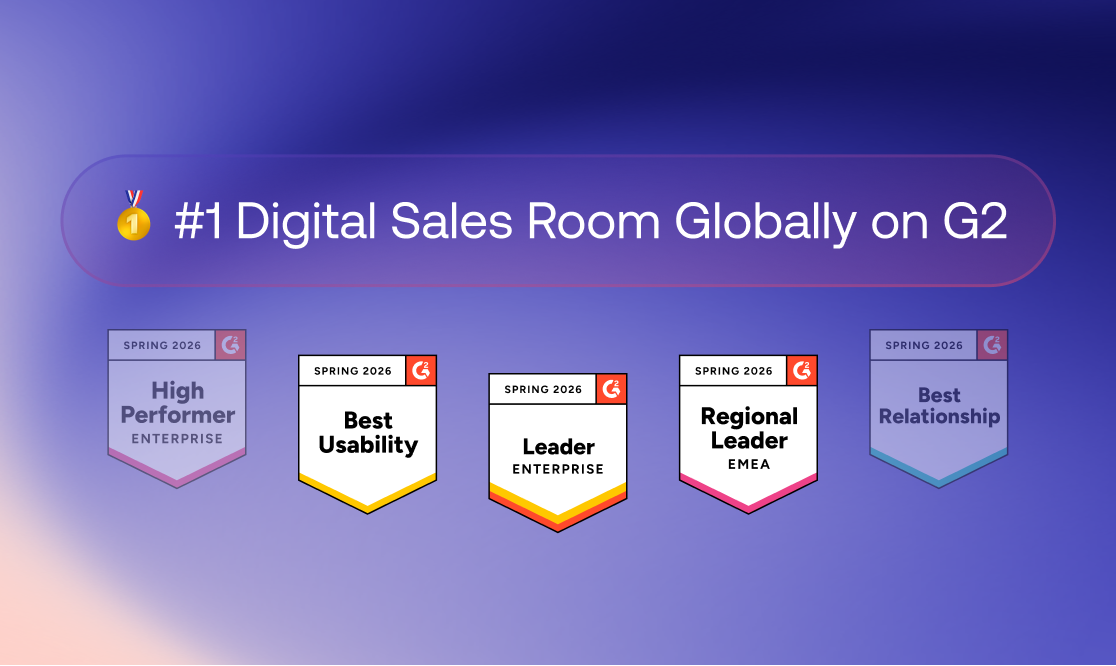
Trumpet brings these capabilities together in a single buyer-facing workspace, combining personalised Pods, Stakeholder Scout, the Nerve Centre, Mutual Action Plans, AI-powered search, Salesforce and HubSpot integrations, document signing, and onboarding support. Rather than introducing another disconnected sales tool, it provides one environment where buyers and revenue teams can stay aligned throughout the entire customer journey. Trumpet is ranked number one for Digital Sales Rooms globally on G2 across more than 30 enterprise, mid-market, and regional reports.
Final thoughts
Buyer disengagement rarely begins with a buyer deciding they are no longer interested. More often, it develops gradually as information becomes fragmented, stakeholders lose context, priorities shift, and next steps become less clear. A Digital Sales Room helps maintain momentum by giving buyers one persistent place to collaborate throughout the evaluation, rather than relying on disconnected follow-up emails and scattered documents.
For startup and mid-market revenue teams, trumpet brings buyer communication, stakeholder engagement, Mutual Action Plans, sales process visibility, and onboarding into one shared Pod, helping every stage of the buyer journey remain connected from first conversation through to customer success.
FAQs
What causes buyer disengagement in B2B sales?
Buyer disengagement is often caused by fragmented communication, unclear next steps, changing priorities, missing stakeholders, or difficulty accessing the information needed to make a decision.
How can a Digital Sales Room prevent buyer disengagement?
A Digital Sales Room gives buyers one shared place to access content, collaborate on next steps, involve colleagues, and return to the deal throughout the sales cycle, helping maintain momentum between meetings.
What are the signs of buyer disengagement?
Common signs include slower responses, fewer repeat visits, declining stakeholder activity, incomplete Mutual Action Plan tasks, delayed decisions, and vague or changing timelines.
How does a Digital Sales Room improve buyer communication?
It gives every stakeholder access to the same current information, making it easier to share resources internally, understand responsibilities, and work from one consistent version of the deal.
Can a Digital Sales Room improve sales process visibility?
Yes. Alongside CRM data, a Digital Sales Room provides visibility into buyer engagement, stakeholder activity, content interaction, and Mutual Action Plan progress, helping revenue teams better understand deal momentum.
How does trumpet help prevent buyer disengagement?
Trumpet provides personalised Pods where buyers can access relevant content, collaborate on Mutual Action Plans, review proposals, and stay aligned throughout the sales cycle. Revenue teams gain visibility into stakeholder engagement and buyer activity through Stakeholder Scout and the Nerve Centre. Trumpet is ranked number one for Digital Sales Rooms globally on G2.










![How to Get Started with Buyer Enablement [With Examples]](https://cdn.prod.website-files.com/65cf4fecbed2754c2236665d/65cf4fecbed2754c22366bdb_65a5af83e742f76e34ce06f3_Customer%2520Onboarding%2520_%2520Everything%2520you%2520need%2520(2).png)
.png)


.png)


.png)


.png)

.png)

.png)
.png)





