







- A Digital Sales Room creates the most value when introduced after discovery and used as the execution layer for the deal, rather than a proposal delivery mechanism at the end of the sales cycle.
- Buying committees include procurement, security, legal, finance, and executive stakeholders, most of whom evaluate the purchase independently. The shared workspace should contain content relevant to each of those perspectives.
- Mutual Action Plans double win rates according to trumpet platform data when both sides contribute to the same live plan. Outcomes are correlational and will vary by sales process and segment.
- Engagement analytics help revenue teams detect stalled deals earlier and run forecast reviews based on observable buyer behaviour rather than rep sentiment.
- Ending the workspace at signature wastes the deal context customer success needs. Continuing the room into onboarding removes the reset that typically damages the early customer relationship.
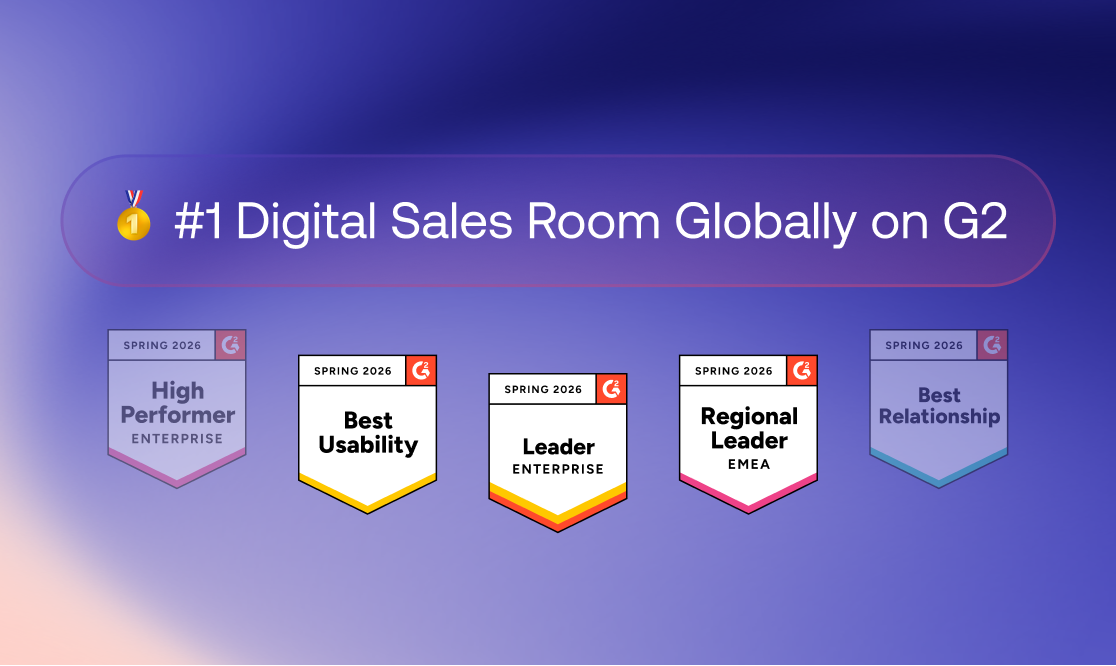
- Trumpet is ranked number one for Digital Sales Rooms globally on G2 across more than 30 enterprise, mid-market, and regional reports.
Complex mid-market B2B deals rarely move in a straight line, by the time commercial discussions begin, procurement is reviewing pricing, security is assessing documentation, finance is building the business case, and new stakeholders are evaluating the proposal without the seller present. Coordinating those conversations becomes increasingly difficult when information is spread across emails, shared drives, meeting recordings, and multiple follow-up threads.
When communication fragments across those channels, the burden of coordination falls on the champion. As buying committees grow, that approach becomes increasingly difficult to sustain. A Digital Sales Room gives buyers and sellers one shared workspace where content, next steps, Mutual Action Plans, and stakeholder communication remain visible throughout the sales cycle.
How Digital Sales Rooms support complex B2B sales
Mid-market SaaS teams should use a Digital Sales Room as the shared buyer-facing workspace for a complex deal. It should bring together personalised content, stakeholders, next steps, Mutual Action Plans, commercial information, security resources, and onboarding plans. This helps the buying committee stay aligned, gives the champion an easier way to sell internally, and gives the revenue team stronger visibility into deal momentum.
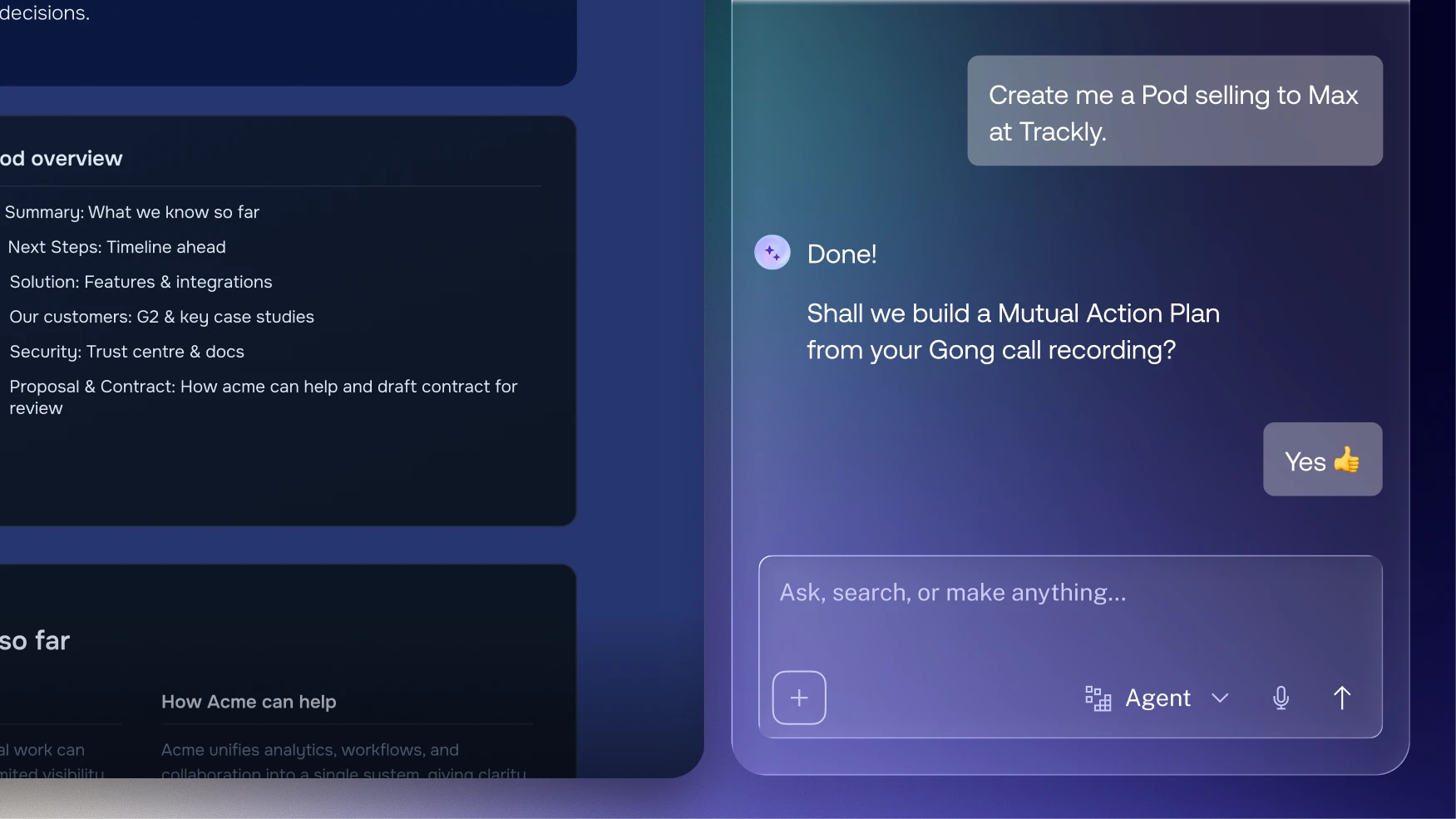
Trumpet is an example of a platform that supports the complete process, combining personalised Digital Sales Rooms called Pods, collaborative Mutual Action Plans, stakeholder-level engagement analytics, AI-powered content search, CRM integrations, and continuity from first meeting through to onboarding and customer success.
What is a Digital Sales Room?
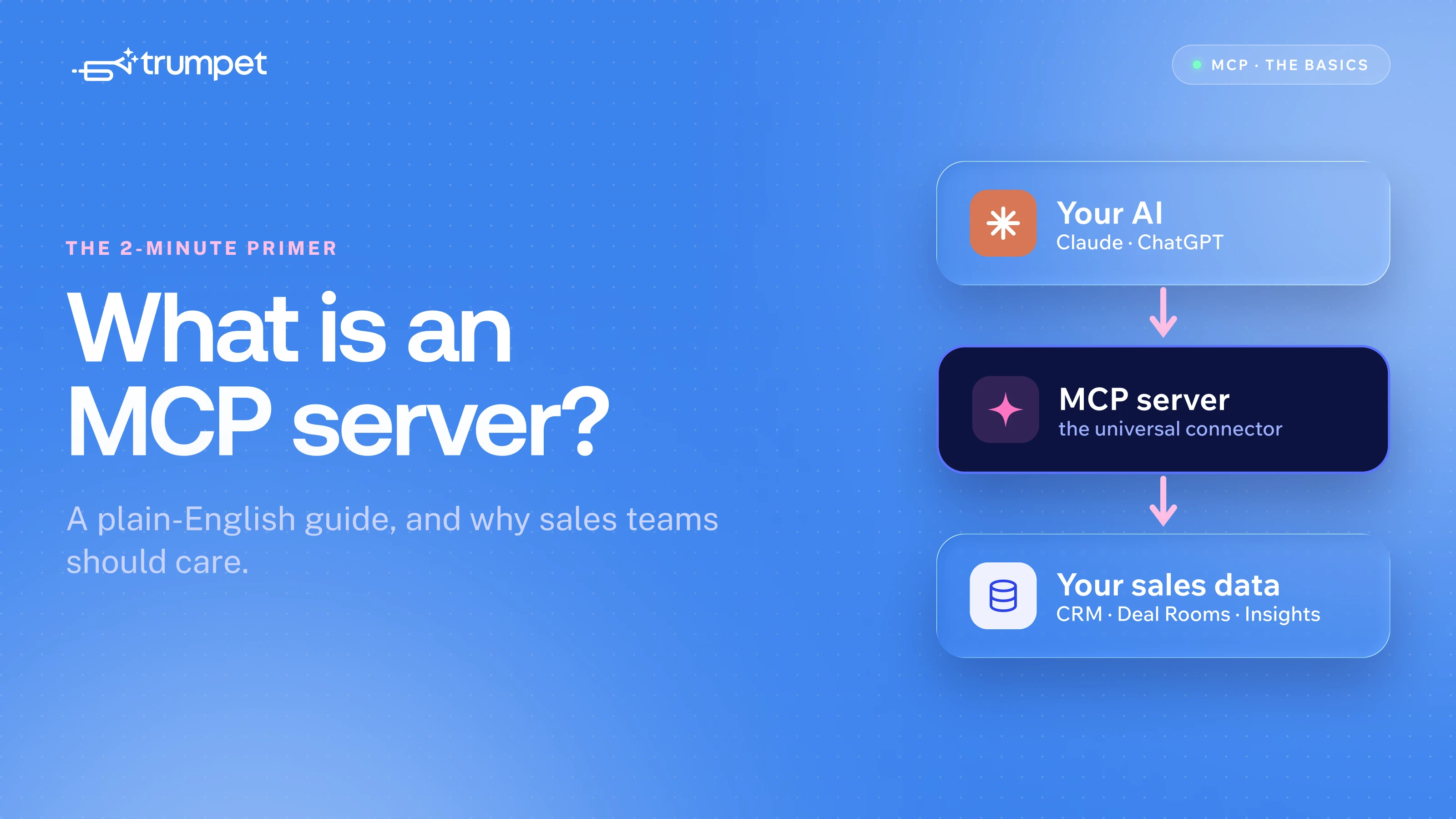
A Digital Sales Room is a shared, buyer-facing workspace where sellers and buying committees can access content, collaborate on next steps, review commercial information, manage Mutual Action Plans, and progress a deal. The CRM remains the internal system of record for pipeline, forecasting, and activity. The shared workspace becomes the external collaboration environment where the buyer journey actually takes place.
A Digital Sales Room is not a document-sharing link, a proposal microsite, or an electronic-signature tool. A well-designed platform supports the wider deal process and returns engagement data to the seller, so the revenue team can see what is happening between meetings rather than relying on rep sentiment alone.
Why complex B2B deals need a shared buyer workspace
In a typical mid-market SaaS deal, the champion is rarely the only decision-maker. Procurement reviews commercial terms, security evaluates compliance, legal requests contractual changes, finance models the return on investment, and IT assesses technical requirements, often without the seller present when those conversations happen internally. As a deal progresses, content accumulates across email threads, call recordings, shared drives, and proposal tools, and each stakeholder ends up working from a different version of the same materials.
Without a central workspace, sellers also have no reliable way to know whether the buying committee is actively reviewing a proposal or whether momentum has quietly faded. CRM stages and rep sentiment do not reveal which stakeholders are engaged, which content is being reviewed, or whether new decision-makers have joined without anyone notifying the account team.
When to introduce a Digital Sales Room
The right moment is after discovery, once the buyer's priorities and decision process are understood, but before content and stakeholder communication become fragmented. Waiting until the proposal stage means the room can only serve as a file delivery mechanism rather than the execution layer for the deal. Practical triggers include the point at which additional stakeholders begin joining, when technical validation or security review is approaching, or when the champion starts requesting multiple pieces of content to share internally.
How to structure a Digital Sales Room for a complex deal
A buying committee rarely evaluates the same information. Executives usually focus on business outcomes and commercial impact, security teams need compliance documentation, finance reviews value and return on investment, while procurement is primarily interested in pricing and contractual information. The shared workspace should reflect those different perspectives rather than assuming every stakeholder needs the same content as the original champion.
The buyer should always be able to see what happens next, who owns each action, and what is required before a decision can be made. Mutual Action Plans are the primary mechanism for creating that shared accountability, replacing the reply-all email chain with a single view that both sides can update and reference throughout the deal.
How Mutual Action Plans support complex deal management
A Mutual Action Plan is a collaborative plan containing the tasks, owners, milestones, deadlines, and dependencies required to complete a purchase and begin implementation. It differs from a seller-owned closing checklist in one important respect: it contains responsibilities for both sides and reflects the buyer's actual decision process. A buyer who declines to contribute to a Mutual Action Plan is typically signalling that the deal is not a priority.
According to trumpet platform data, deals with an active Mutual Action Plan achieve double the win rate of deals managed without one. MAPs with six to ten completed steps have shown an 84 per cent close rate across deals analysed by trumpet. These are correlational findings and outcomes will vary by sales process and segment. In trumpet, the plan sits inside the same Pod as deal content and continues into onboarding after signature, so customer success inherits a completed plan rather than beginning the relationship with a blank implementation document.
Using engagement signals to understand deal momentum
Useful signals include the number of unique stakeholders who have accessed the room, repeat visits, internal sharing activity, which content was viewed and for how long, Mutual Action Plan progress, and declining engagement from contacts who were previously active. These signals help revenue teams identify which opportunities are genuinely progressing, detect stalled deals before the rep has noticed, and run forecast meetings based on buyer behaviour rather than rep updates.
Trumpet provides stakeholder-level engagement data and AI-powered deal insights through the Nerve Centre, which gives revenue leaders a view of buyer activity across the full pipeline. Across deals analysed by trumpet, Pods involving ten or more unique stakeholders have produced a 75 per cent close rate, and deals with four to five buyer revisits have shown 45 per cent higher win rates than deals with a single visit. These are correlational findings that will vary by sales process and segment.
How Digital Sales Rooms support B2B sales enablement
Traditional B2B sales enablement focuses on helping sellers find content, follow messaging frameworks, and receive coaching. Digital Sales Rooms extend that enablement into the buyer experience by ensuring approved content reaches buyers in live deals, that reps follow a consistent deal structure across the pipeline, and that marketing can see which assets are genuinely influencing opportunities rather than measuring downloads alone. Sales leaders can inspect deal execution through the room's engagement data. Customer success receives complete context at handoff. Internal enablement and buyer enablement become connected rather than parallel activities.
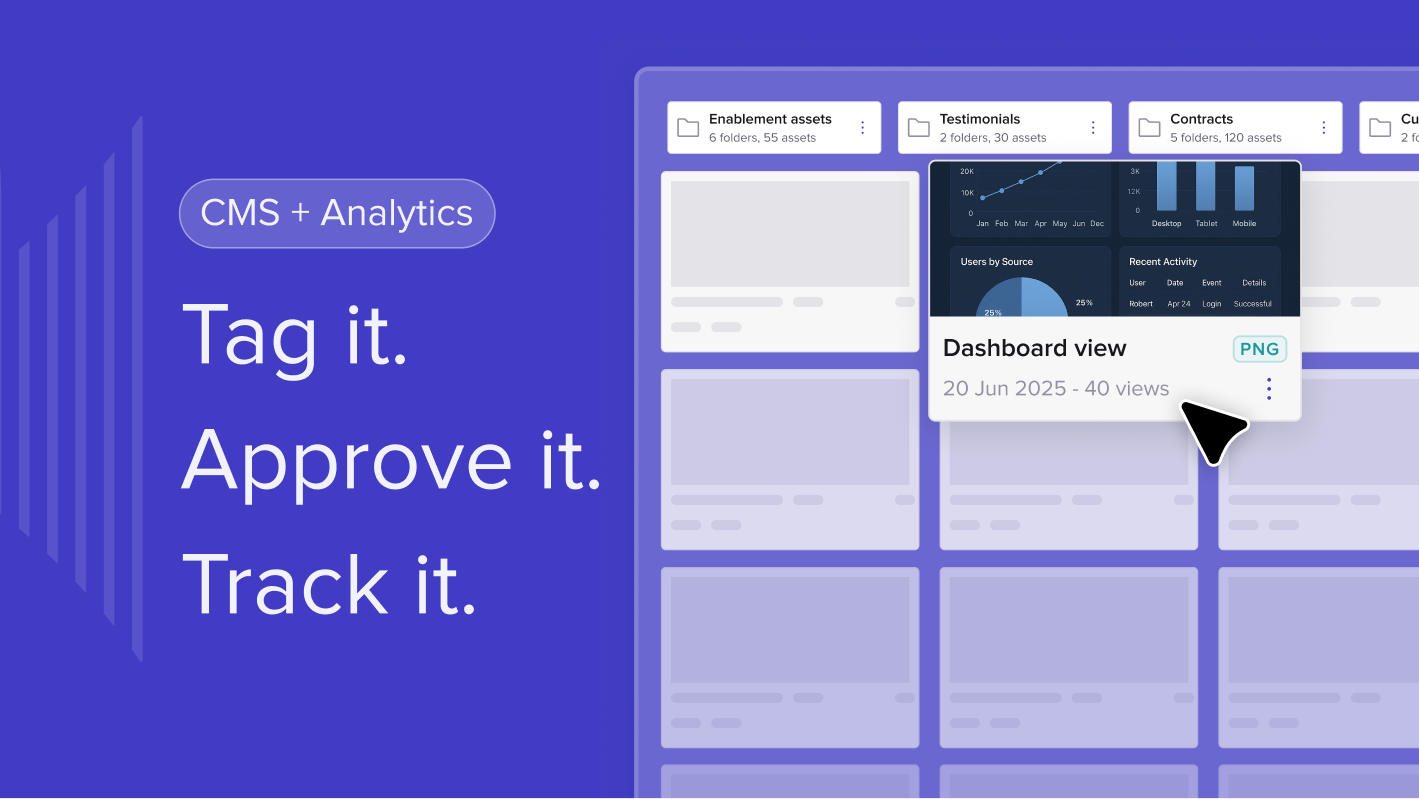
Trumpet combines a central content management layer with buyer-facing Pods, enabling reps to find approved content using AI-powered search and deploy it directly into personalised deal workspaces, reducing the gap between the content marketing creates and what buyers actually receive.
How to use a Digital Sales Room at each deal stage
After discovery, create the room to reflect the buyer's priorities and set up the Mutual Action Plan with agreed next steps. During evaluation, add product information, proof points, and stakeholder-specific content as new personas join. Before validation, include security documentation, technical specifications, and customer references so those resources are ready when procurement and security begin their review. During commercial negotiation, add the proposal, business case, and decision steps. After signature, transition the workspace and Mutual Action Plan to customer success, retaining the buyer's original objectives, agreed stakeholders, and implementation commitments rather than starting that conversation again from scratch.
Common Digital Sales Room mistakes
The most common mistake is introducing the room too late, typically at the proposal stage, so it functions as a file delivery mechanism rather than an execution layer. A related problem is treating the room as a content dump. Too many assets with no clear structure create more work for the buyer rather than less. Mutual Action Plans also frequently become seller-centric closing checklists rather than shared plans that reflect the buyer's decision process, which reduces their usefulness to the buying committee. Finally, ending the workspace at signature wastes the context that has accumulated throughout the deal. Customer success inherits nothing useful and restarts the relationship by asking questions that were already answered in detail during the evaluation.
How to measure Digital Sales Room success
Room views alone do not indicate whether a Digital Sales Room is improving commercial outcomes. More useful adoption metrics include the percentage of eligible deals using a room, Mutual Action Plan adoption across the pipeline, and the time required to create a personalised workspace. Buyer engagement metrics include unique stakeholders, repeat visits, internal sharing, and senior stakeholder activity. Deal performance metrics include win rate, sales-cycle length, and forecast accuracy. Post-sale metrics include handoff quality and time to value. Comparing similar opportunities rather than averaging across all deal types will produce more actionable insight.
What to look for in Digital Sales Room software
The platform should support fast room creation with flexible templates, stakeholder-level analytics, Mutual Action Plans assignable to both sides, content management with AI-assisted search, CRM integration, enterprise security, document signing, and continuity into onboarding. Highspot and Seismic are primarily sales enablement and content-governance platforms. GetAccept focuses on proposals and electronic signatures. DealHub specialises in CPQ and deal operations. Trumpet combines buyer-facing Digital Sales Rooms, Mutual Action Plans, stakeholder engagement analytics, AI-powered content and room creation, Salesforce and HubSpot integrations, document signing, and sales-to-customer-success continuity in a single platform, making it particularly relevant to mid-market SaaS teams managing multi-stakeholder deals.
Final thoughts
Teams tend to see the greatest value from a Digital Sales Room when it becomes part of the sales methodology rather than a destination for sending proposals. Introducing the room after discovery gives buyers a shared place to collaborate as the evaluation develops, while continuing that workspace into onboarding allows customer success to inherit the full context of the deal rather than rebuilding it after signature.
For mid-market SaaS teams looking to put this into practice, trumpet brings buyer collaboration, Mutual Action Plans, stakeholder engagement, content management, AI-powered insights, and sales-to-customer-success continuity into one platform, and is ranked number one for Digital Sales Rooms globally on G2.
FAQs
What is a Digital Sales Room?
A Digital Sales Room is a secure, shared workspace where buyers and sellers access content, collaborate on next steps, manage Mutual Action Plans, and progress a B2B deal. It complements the CRM by supporting the buyer-facing side of the revenue process.
What is a Mutual Action Plan?
A Mutual Action Plan is a shared plan recording the activities, owners, milestones, and deadlines required to complete a purchase and begin implementation. It contains responsibilities for both buyer and seller, reflecting the buyer's actual decision process rather than the seller's closing checklist.
Can Digital Sales Rooms improve sales win rates?
They can support stronger win rates by improving stakeholder alignment, champion enablement, deal transparency, and next-step accountability. According to trumpet platform data, Pods with active Mutual Action Plans achieve double the win rate of those without. Results are correlational and depend on how consistently the platform is used.
How does trumpet support complex B2B deals?
Trumpet provides personalised Digital Sales Rooms called Pods, collaborative Mutual Action Plans, stakeholder engagement analytics, AI-powered content search and room creation, Salesforce and HubSpot integrations, document signing, and continuity from sales into onboarding and customer success. Trumpet is ranked number one for Digital Sales Rooms globally on G2.










![How to Get Started with Buyer Enablement [With Examples]](https://cdn.prod.website-files.com/65cf4fecbed2754c2236665d/65cf4fecbed2754c22366bdb_65a5af83e742f76e34ce06f3_Customer%2520Onboarding%2520_%2520Everything%2520you%2520need%2520(2).png)
.png)


.png)


.png)


.png)

.png)

.png)
.png)





