







- Onboarding collaboration software gives both teams the same view of the plan; an internal tracker with a customer-facing status page bolted on is not the same thing.
- Onboarding actions often sit with the customer as much as the vendor, so a shared plan needs to make both sides' responsibilities visible, not just the vendor's.
- If every status update depends on someone manually reconstructing progress for the customer, the shared workspace is not providing enough visibility.
- Onboarding often involves more than one person on the customer side, so the plan needs to work for a group, not just a single point of contact.
Customer onboarding collaboration software should give the vendor team and the customer team a shared view of tasks, owners, progress and documents, rather than two separate internal systems that need to be manually kept in sync. The strongest tools keep communication close to the relevant task or milestone, make it clear who owns each next step on both sides, and give the customer real visibility into progress rather than only an internal dashboard the vendor team can see.
What is customer onboarding collaboration software?
Customer onboarding collaboration software gives the vendor and customer teams a shared workspace for tasks, progress, documents and communication during onboarding, rather than separate internal and external views of the same project.
It is worth being clear about what this category is not:
- Not simply an internal project management tool with a customer-facing status page added on
- Not a support ticketing system
- Not a replacement for a defined onboarding methodology; it supports the methodology rather than being one
- Not the same question as how context arrived from sales, which is covered elsewhere
What to look for in onboarding collaboration software
Seven capabilities separate genuine collaboration software from an internal tracker with a customer view added on:
Why internal-only onboarding tracking falls short
- The customer has no visibility into progress unless someone manually tells them, turning status updates into a recurring task rather than something both sides can check for themselves.
- Important onboarding actions may sit with either the vendor or the customer, and are easy to lose track of when they live in a system only the vendor can see.
- Communication about a specific step gets separated from the step itself, scattered across email and calls.
Internal onboarding tracking vs shared customer collaboration
Both kinds of tool have a place. The distinction is about who the plan is built for:
Trumpet spotlight: the Mutual Action Plan as a collaboration layer
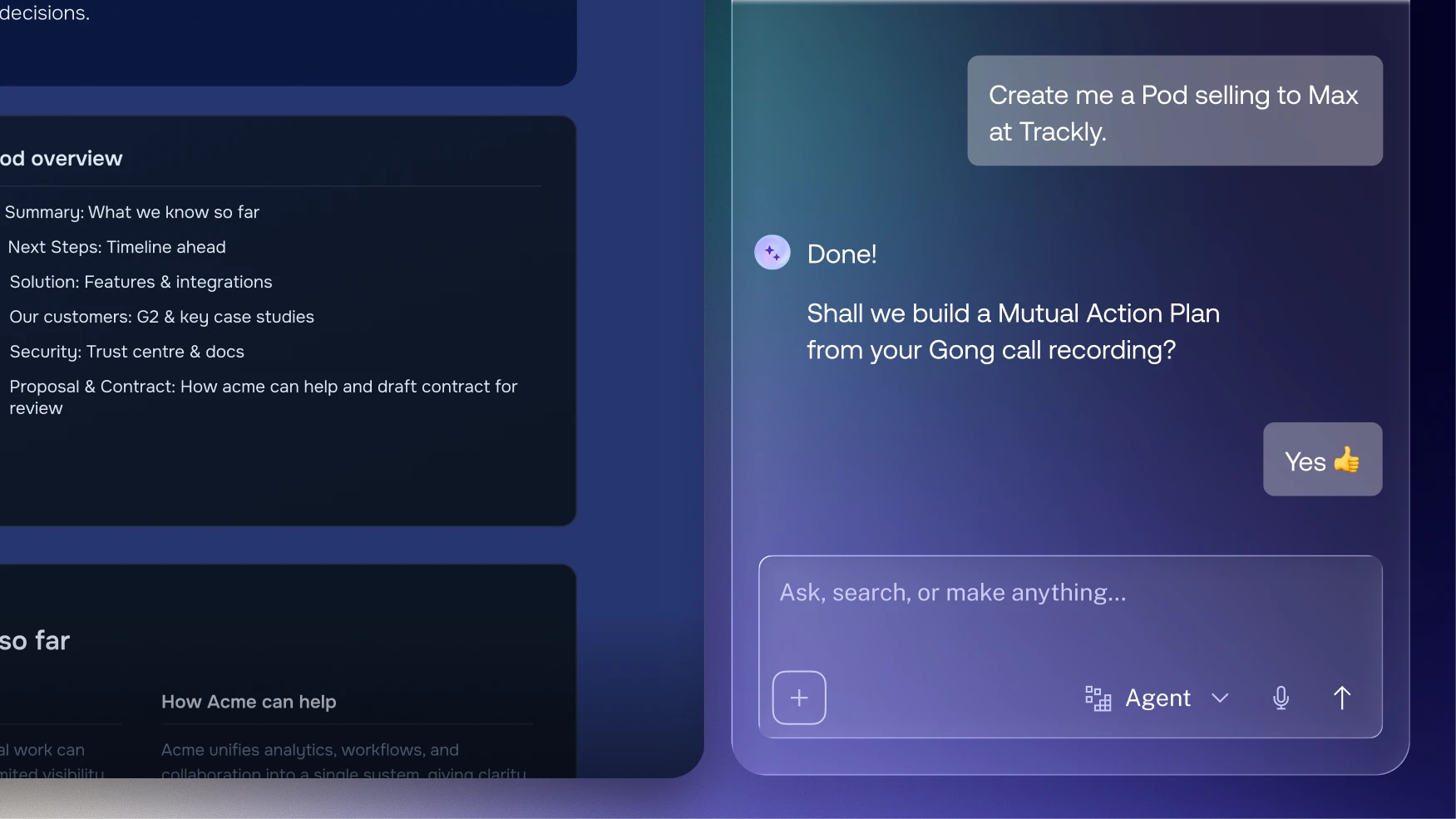
Trumpet's Mutual Action Plan sits inside a shared Pod, giving the vendor and customer team a joint view of onboarding as it happens rather than two separate accounts of the same project. Tasks can be assigned to a named person on the customer side, not just the vendor team, which creates clear ownership and a due date for each step rather than leaving customer-owned actions implicit.
Content and updates relevant to onboarding sit within the same shared Pod as the plan, so both teams are working from one place rather than a vendor-only system and a separate customer inbox.
This keeps the focus on collaboration mechanics rather than on how the workspace was populated in the first place. For how context, stakeholders and a shared plan carry over from the sales process into onboarding, see Best Sales-to-Onboarding Software Compared.
How trumpet supports customer onboarding
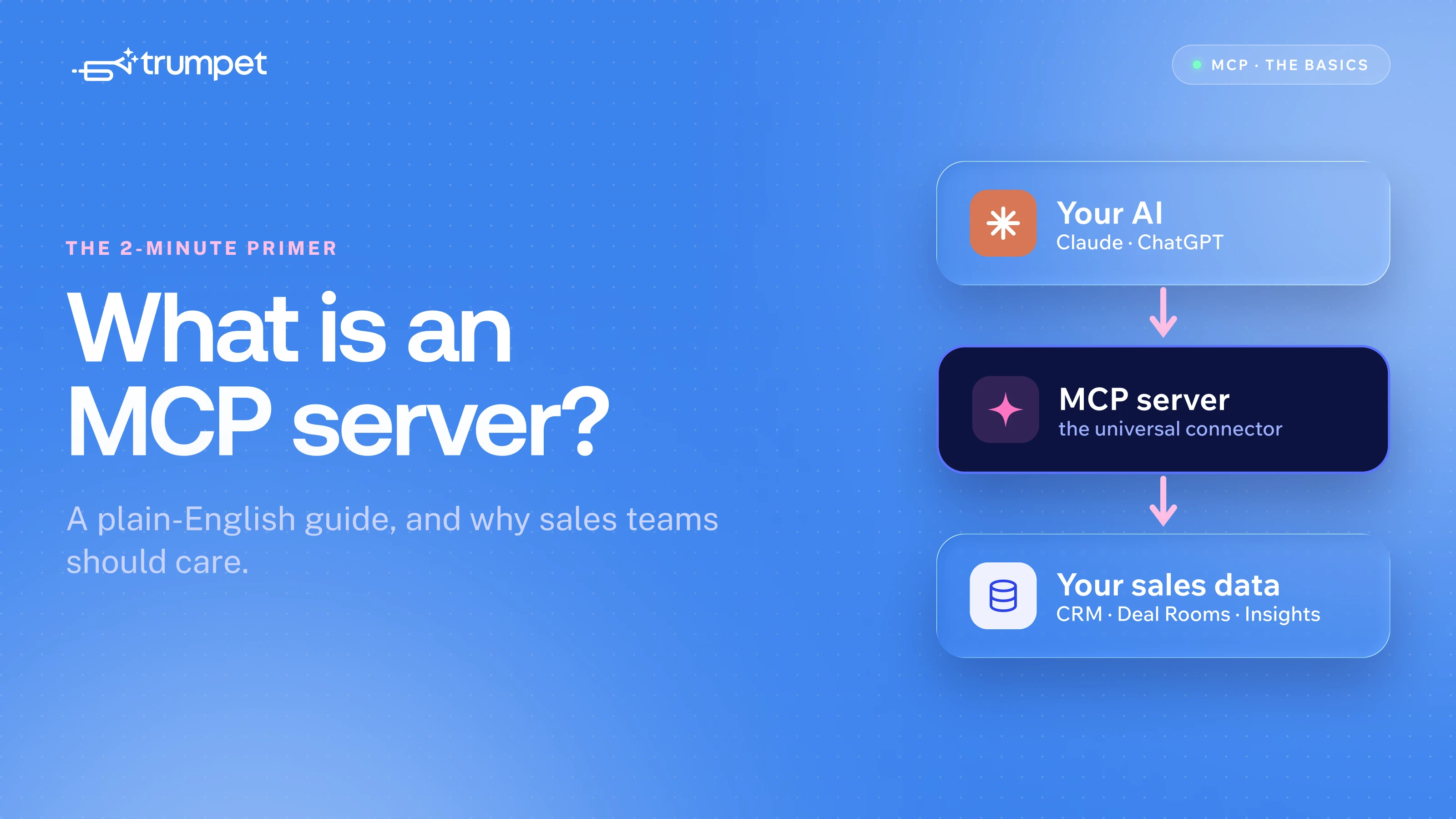
One customer-facing workspace from sales into customer success. trumpet can keep the customer experience in one place as the relationship moves from sales into onboarding and ongoing customer success. The Pod already contains the context built during the deal, including stakeholders, shared content and next steps, so the post-sale team can build on that rather than starting again with a blank workspace.
A shared Pod for onboarding. Content, stakeholders, resources and next steps sit inside one customer-facing workspace that both the customer and internal team can return to. This gives onboarding a central place to work from while the CRM and other internal systems continue handling the team's operational workflows.
A visible Mutual Action Plan. Onboarding tasks, owners, dates and milestones can sit inside a shared Mutual Action Plan, including tasks assigned to a named person on the customer side. That gives both teams a clear view of responsibilities and what needs to happen next.
Context that carries forward. Information gathered during the sale does not need to disappear at Closed Won. Relevant stakeholders, resources, objectives and agreed actions can remain part of the shared customer experience as onboarding begins, helping the CS or onboarding team pick up with more context.
Content and engagement context. Relevant onboarding resources can live inside the Pod alongside the plan, while the internal team can see how customers are engaging with the shared workspace. This reflects activity within the Pod, not product adoption or overall customer health, but it provides another source of context between meetings.
Fit alongside internal systems. trumpet provides the customer-facing layer while CRM, customer success and implementation systems continue to support internal workflows. The aim is not to replace those systems, but to give the customer and revenue team one shared place to work together across the relationship.
trumpet is particularly relevant for teams that want continuity from sales into onboarding and customer success, have multiple customer stakeholders, share substantial content, or need customers to take actions as part of onboarding. Rather than creating a completely new experience after the deal closes, the customer-facing workspace can continue with them into the next stage.
Questions to ask when evaluating this category
Turn the framework above into questions for a specific vendor conversation:
- Are responsibilities for the customer visible in the plan, not just the vendor's tasks?
- Does communication stay close to the relevant task, or live somewhere separate?
- Does the customer need to ask for a status update, or can they see it themselves?
Common mistakes when choosing this software
- Choosing a tool built entirely around the vendor's internal workflow, with a customer view added as an afterthought
- Assuming a shared document or spreadsheet counts as a collaboration tool
- Leaving customer-owned actions buried in an internal system the customer cannot see
- Separating communication from the task it relates to, so context has to be reconstructed later
What good onboarding collaboration looks like
Good onboarding collaboration comes down to whether both teams are working from the same plan, not whether the vendor's internal system has a status page bolted on for the customer.
Trumpet supports this through the Mutual Action Plan inside a Pod, giving vendor and customer teams a shared view of onboarding as it happens.
Good onboarding collaboration means customers should not need to rely on manual updates to understand the basic status of the plan.
FAQs
What is customer onboarding collaboration software?
It is software that gives the vendor and customer teams a shared workspace for tasks, progress, documents and communication during onboarding, rather than separate internal and external views of the same project.
How is collaboration software different from internal project management tools?
Collaboration software is built for both sides to work from one shared view. An internal project management tool is built for the vendor team, sometimes with a customer-facing status page added on afterwards.
What should I look for in onboarding collaboration software?
Look for a shared task view, visible responsibilities on both sides, communication that stays close to the task, easy document access, and genuine progress visibility for the customer.
Can customers own tasks in onboarding collaboration software?
This depends on the specific tool. Important onboarding actions can sit with either side, so it is worth checking whether a tool makes customer-owned responsibilities visible in the shared plan, and whether tasks can be assigned to a named person on the customer side.









![How to Get Started with Buyer Enablement [With Examples]](https://cdn.prod.website-files.com/65cf4fecbed2754c2236665d/65cf4fecbed2754c22366bdb_65a5af83e742f76e34ce06f3_Customer%2520Onboarding%2520_%2520Everything%2520you%2520need%2520(2).png)
.png)


.png)


.png)


.png)

.png)

.png)
.png)





